A Brief Look WITH

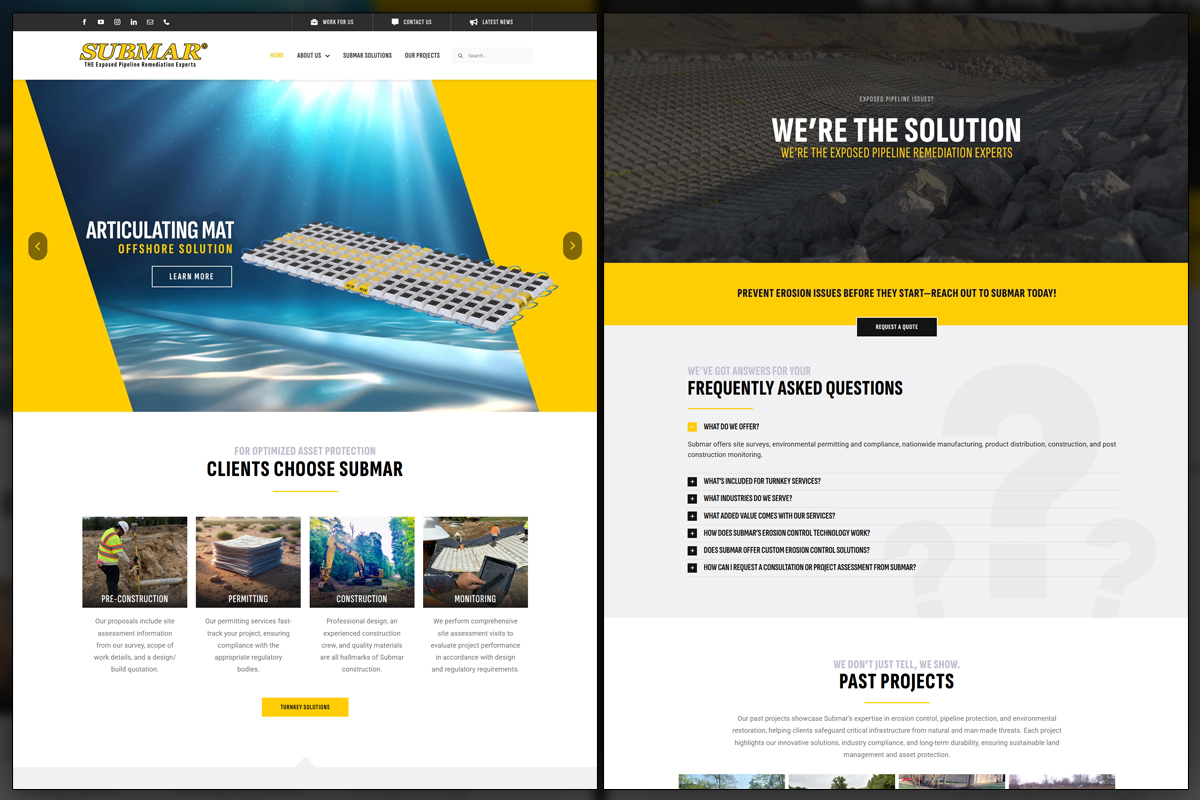
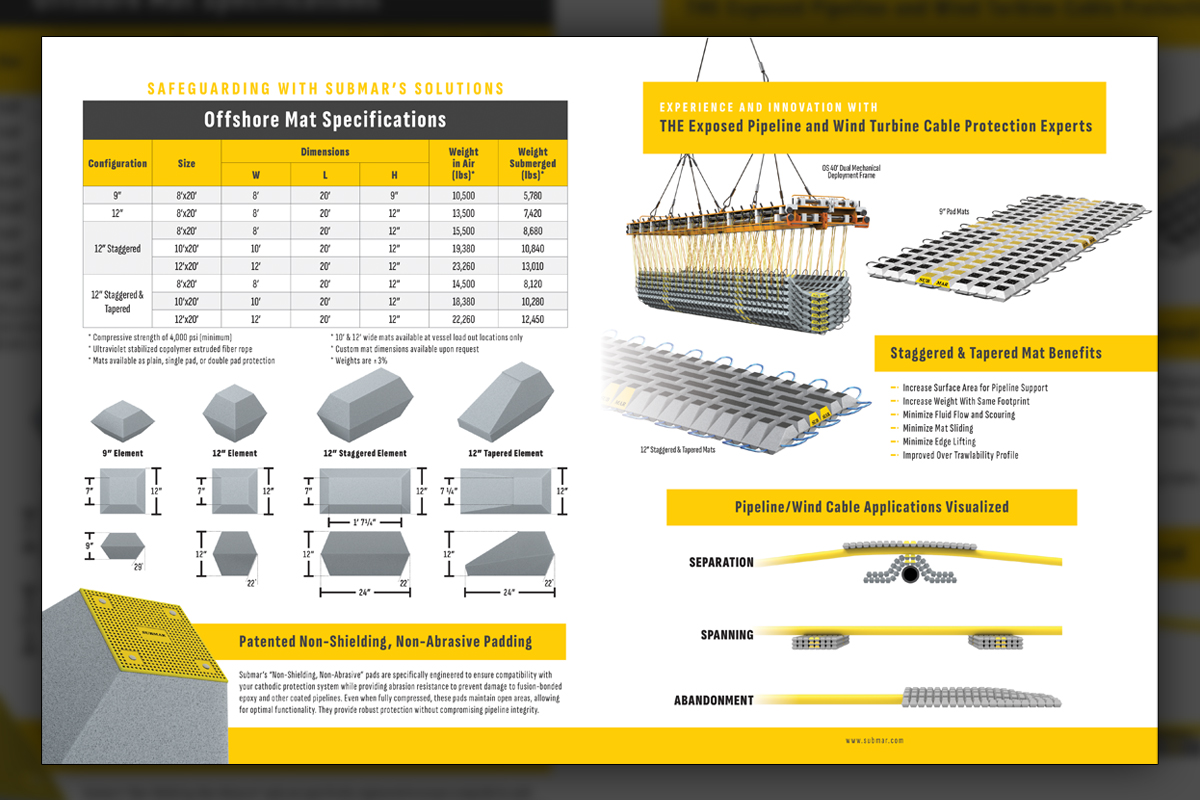
We produced a two-set offshore animation that demonstrates Submar’s solutions on the sea surface and sea floor. We are honored to translate precise engineering into clear motion for sales, training, and events. The assets created for this video were re-utilized for various brochures, banners, and the website.
categories
Software & Skills
3D Modeling
3D Rendering
Adobe Photoshop
Adobe Premiere
Animation
Branding Compliance
Cinema4D
Client Collaboration
Concept Development
Environmental Design
Keyshot 3D
Motion Graphics
Rendering Optimization
Technical Illustration
Technical Rendering
Video Editing
3D Modeling
3D Rendering
Adobe Photoshop
Adobe Premiere
Animation
Branding Compliance
Cinema4D
Client Collaboration
Concept Development
Environmental Design
Keyshot 3D
Motion Graphics
Rendering Optimization
Technical Illustration
Technical Rendering
Video Editing
Color Palette
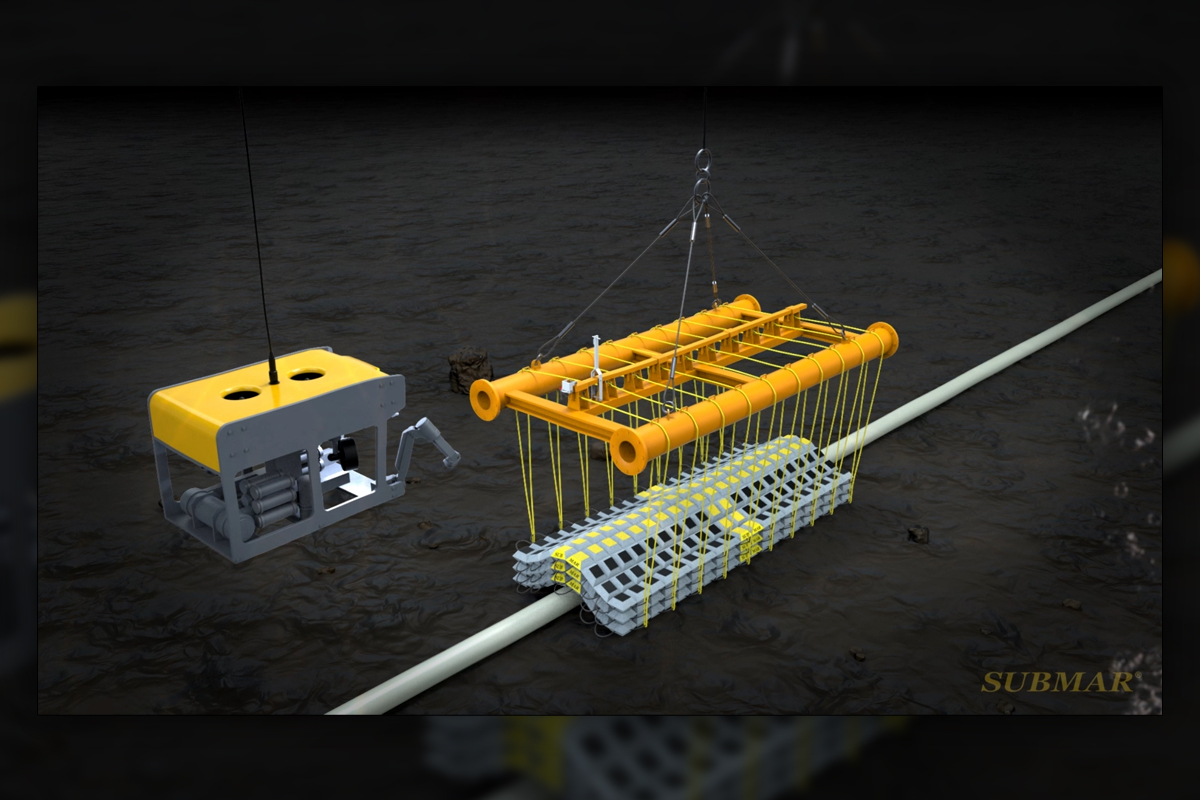
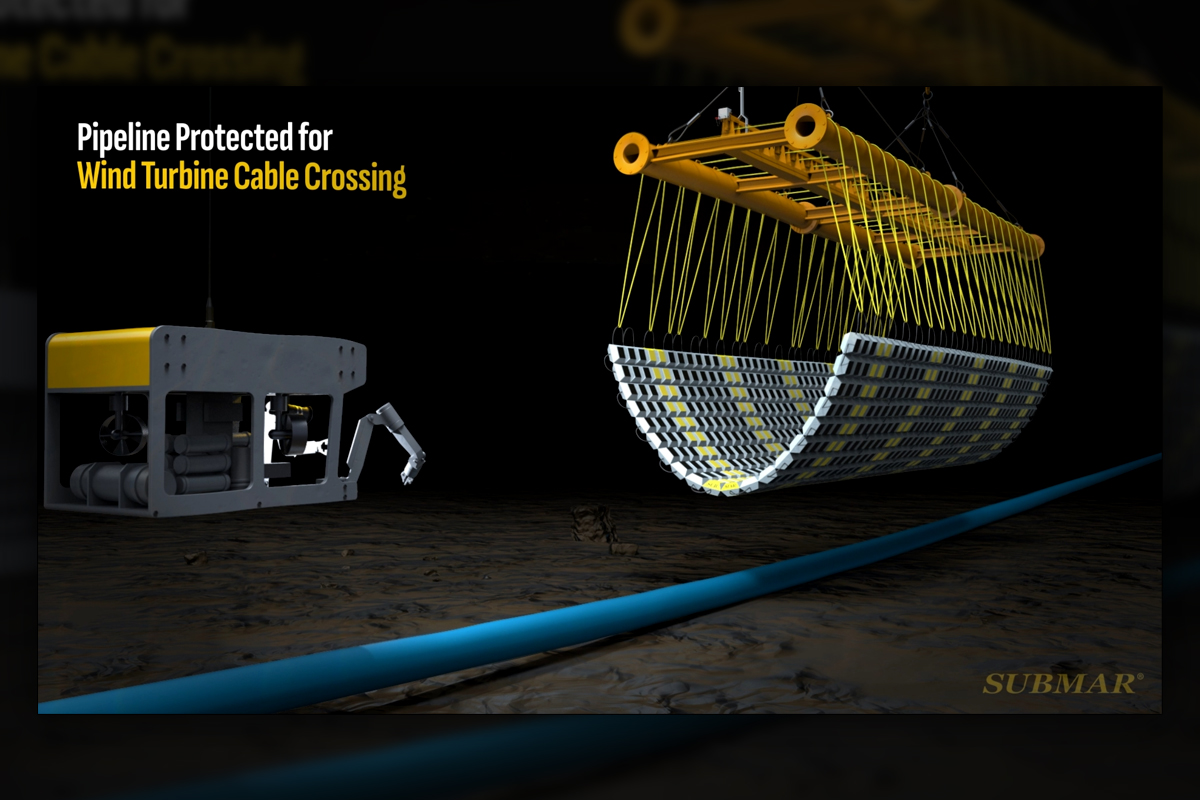
A deep, dark seabed scene uses harsh ROV light beams and a restrained amount of clutter in the environment. Post effect particles and air bubbles drift slowly, subtle caustics and map displacements help sell the scene as underwater.
Depth
Depth
Summary
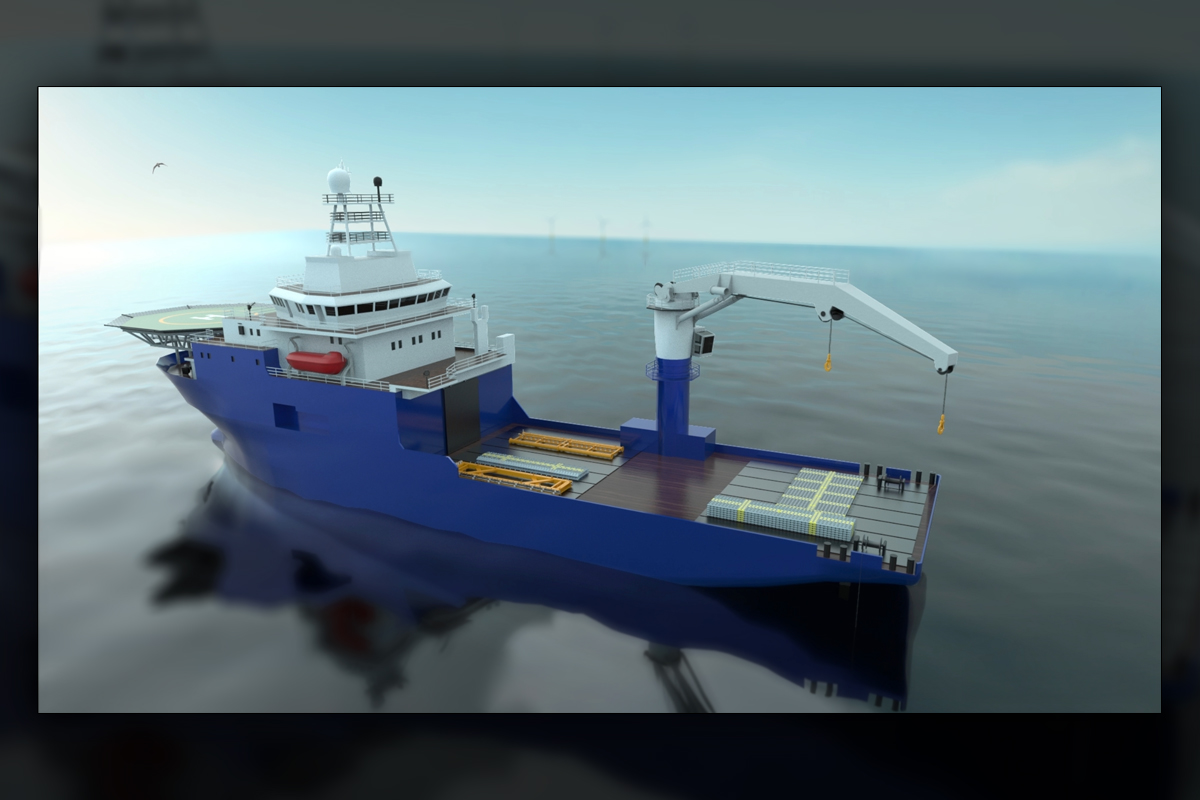
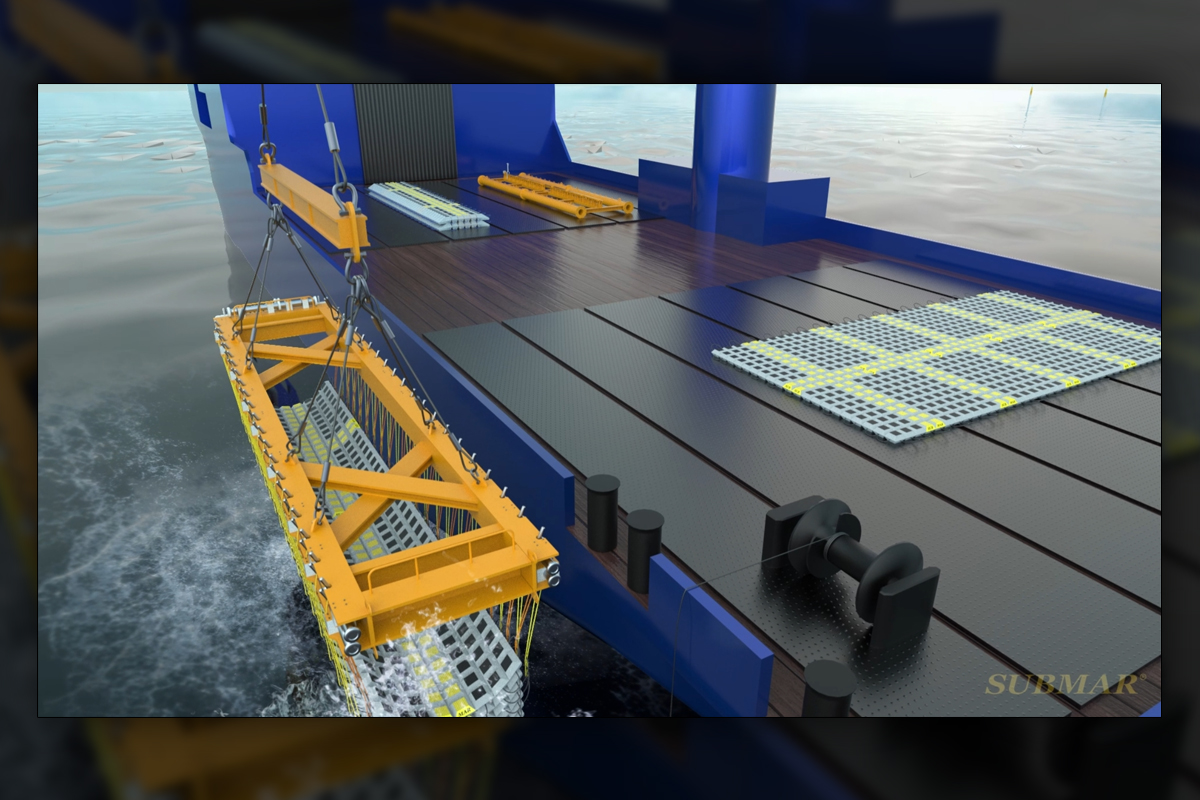
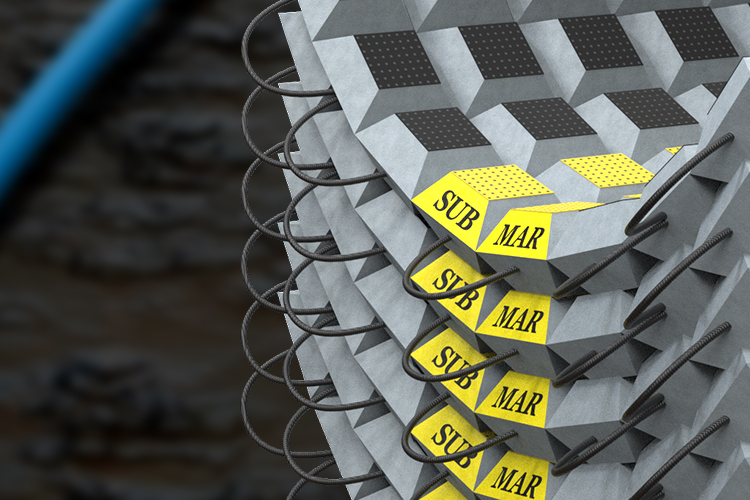
This animation became our most demanding single piece of 3D work, a two scene narrative that moves from a working deck to the ocean floor. We collaborated closely with engineers and sales to validate every mechanism, correcting early test shots whenever reality and simulation diverged. The surface scene combines a crane equipped vessel, a custom water refraction shader, and subtle environmental cues that help push the horizon line. Below, a silty seabed, restrained lighting, and light beams from a Remote Operated Vehicle (ROV) keep attention on frames, releases, and mats as they articulate and settle. Every product was modeled and textured to photographic reference, then animated with care. The result is technical, readable, and built for reuse.
Project Goals & Purpose
Before production, we set a clear target: build a durable visual tool that explains the offshore system to mixed audiences without sacrificing too many of the realities of engineering. Marketing needed a confident story that would hold up at a trade show booth, in sales meetings, and in short clips across channels. Engineering needed correct articulation, believable loads properly connected to their respective color-coded release mechanisms, and motions that match how frames, lines, and mats are handled by the installation team and the environment. Since this project had an established due date, we needed a pipeline to first-hand accounts that could view short iterations of animation to scrutinize for accuracy to prevent duplicated efforts and waste.
We planned two scenes, Sea Surface and Sea Floor, to keep complexity legible. The surface deck required a ship with a crane and a clean stage for products. We built a custom animated refraction on a deforming mesh, added atmospheric perspective, and put together a horizon with functioning distant offshore wind turbines to foreshadow an energized cable route. The ocean floor demanded restraint. We chose a silty, gently curved bed with low rock outcrops, then designed the lighting as an ROV would see it, tight falloff, harsh practical beams, and a minimal fill so the hardware remains the subject.
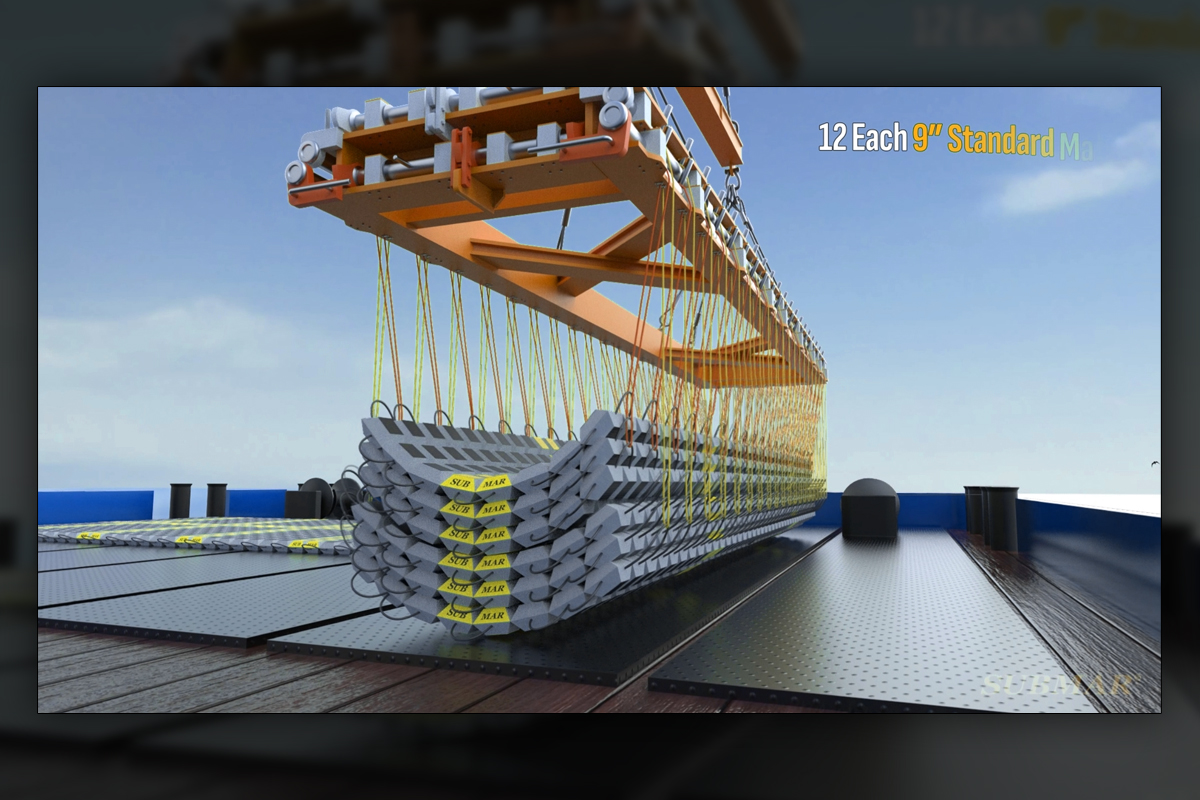
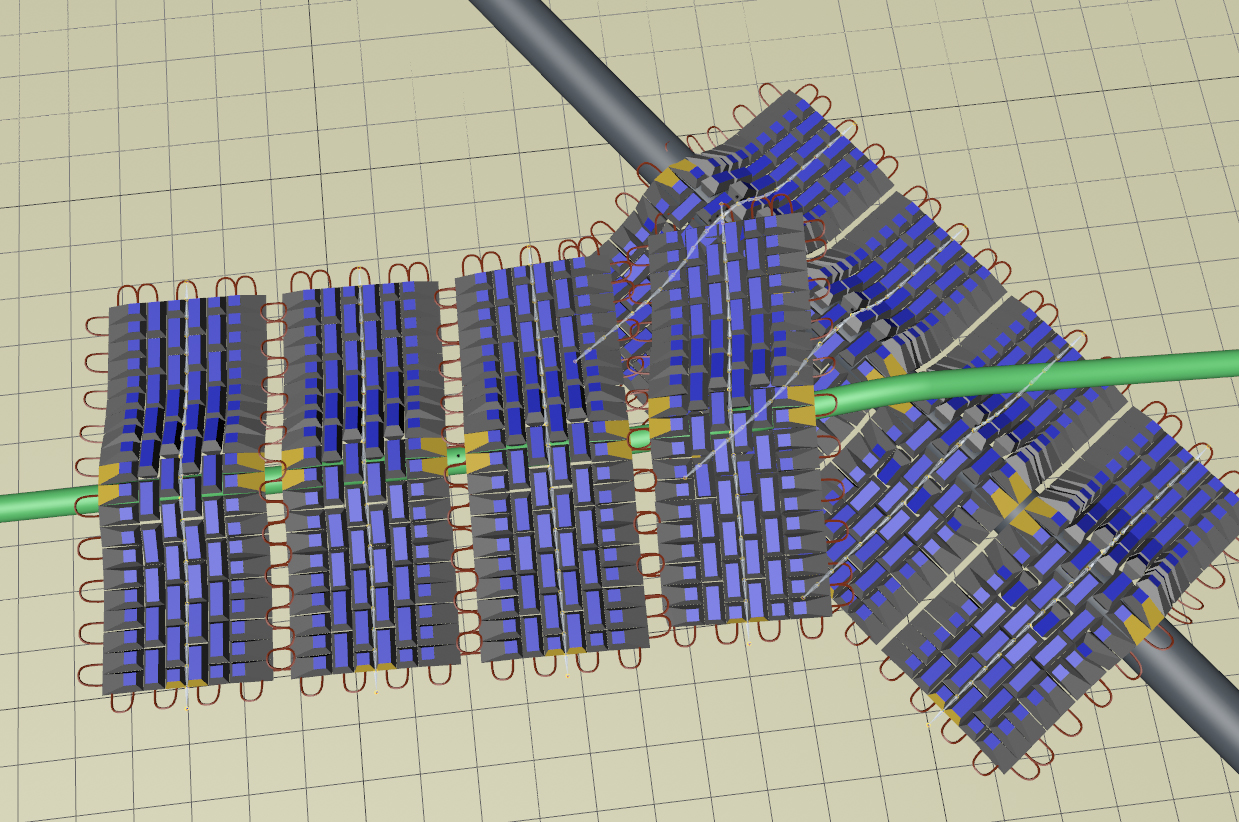
KeyShot’s strengths favored material fidelity and lighting, while complex rigging called for Cinema4D. For the sake of efficiency, we set up instances of the mat building blocks rather than duplicates to manage memory, built spline rigs pinned to nodal contact points for the rope, and automated rope behavior after a first manual pass to establish timing. Where realism added cost without value, we made principled choices, for example, hiding loose ropes after release, focusing time on details that teach. The purpose remained unchanged throughout, deliver a technically honest, visually persuasive film that a team can present with pride, and that a skeptical engineer can scrutinize frame by frame.
Challenges
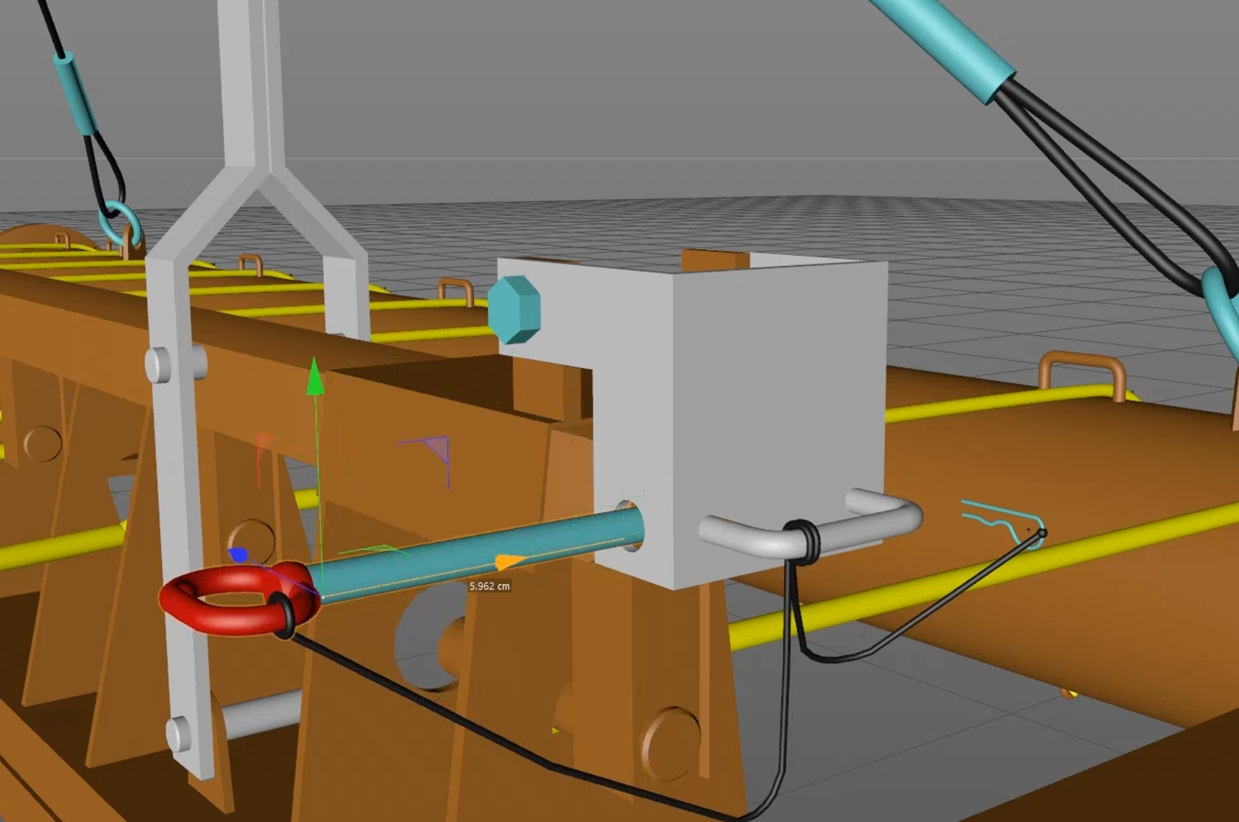
A solo pipeline handling dozens of unique parts required strict discipline. Early engineering feedback exposed incorrect assumptions about lift behavior and clamp positioning, which meant rethinking rigs and retiming sequences. Endless horizon scenes like those out at sea are difficult to convincingly pull off without adding massive scale or post production editing. KeyShot’s animation tools proved stiff for complex deformations, pushing the project into Cinema4D for rigging and motion while keeping rendering workflows consistent. Even with instances, scene files grew heavy, with several reaching multi minute load times. Deadlines were tight due to an upcoming trade show in which this video would be the main attraction.
Solutions
We adopted a review cadence that prioritized early previews, wireframe passes, and shaded playblasts sent to engineering and sales, so issues surfaced before render time. Rigging moved to Cinema4D where spline dynamics and constraints could simulate slack to tension transitions on lift lines. Instances replaced duplicates across mats and frames, reducing memory and keeping edits global. Offshore mats received modeled grip pads for close shots. The ship gained gentle heave animation to respect waves without causing motion sickness. After rendering, we used After Effects for underwater displacement, caustics, selective bloom, subtle particulate, and surface details like gulls. The piece is a case study in Corporate Design Solutions delivered through a Design Retainer Service, a reliable subscription style approach that balances precision, speed, and practical decision making.
Client Reception

The team appreciated the accuracy and the way the film communicates in favor of both sales and education. Engineers can explain the intricacies of operation and installation, while sales valued how each sequence stands on its own for conversations at the booth. The final cut met the deadline, performed reliably at the show, and became a reusable explainer for future outreach.


Additional Images


Watch Now!
This project taught me a lot about pacing and precision. Working with the engineers reminded me that believable motion is not about flashy moves, it is about the tiny things that real equipment does under load. I'm very glad we were able to complete this in time for their show. That was a proud moment for me and a testament to what a steady pipeline can deliver when time is short and expectations are high.
Matthew Ackerman, Predi Designs
downloads
No downloads currently available.
Tags
Related Projects
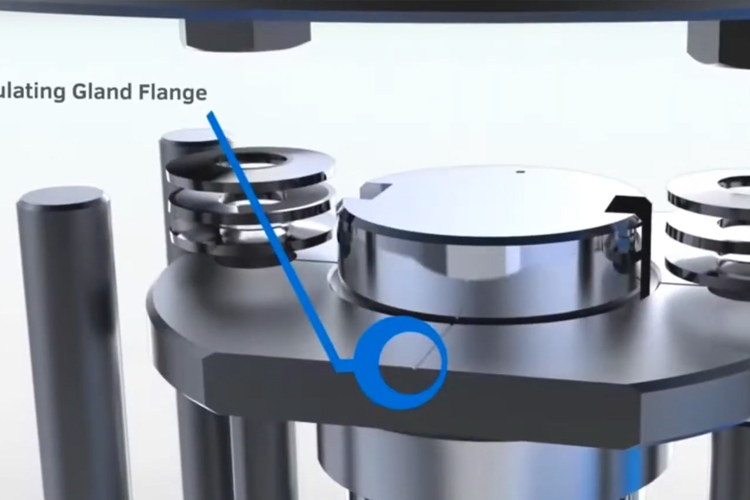 This early 3D animation showreel compiles some older animation projects, capturing a wide range of industries and techniques. While these pieces no longer reflect Predi's current capabilities, they remain an important milestone in the journey, demonstrating the foundation of technical skills, lighting, and post-processing techniques that have since evolved.