
“Every success taught me something. Every failure taught me more. those lessons are what people refer to as expertise.”
Matthew Ackerman
Founder, Predi Designs LLC

Newest Blog Post
Read our latest entry to our blog.

August 4, 2026
Photoshop skills in the age of instant generation
Artificial intelligence changed more than the tools. It changed how people look at creative work. A polished composite, a surreal product image, or a heavily manipulated photo now gets a different reaction than it would have a few years ago. People see something impressive and immediately wonder if it was generated, even when the work was created long before ChatGPT was publicly released in November 2022. OpenAI’s original ChatGPT announcement is a useful timestamp for how recent this shift really is.
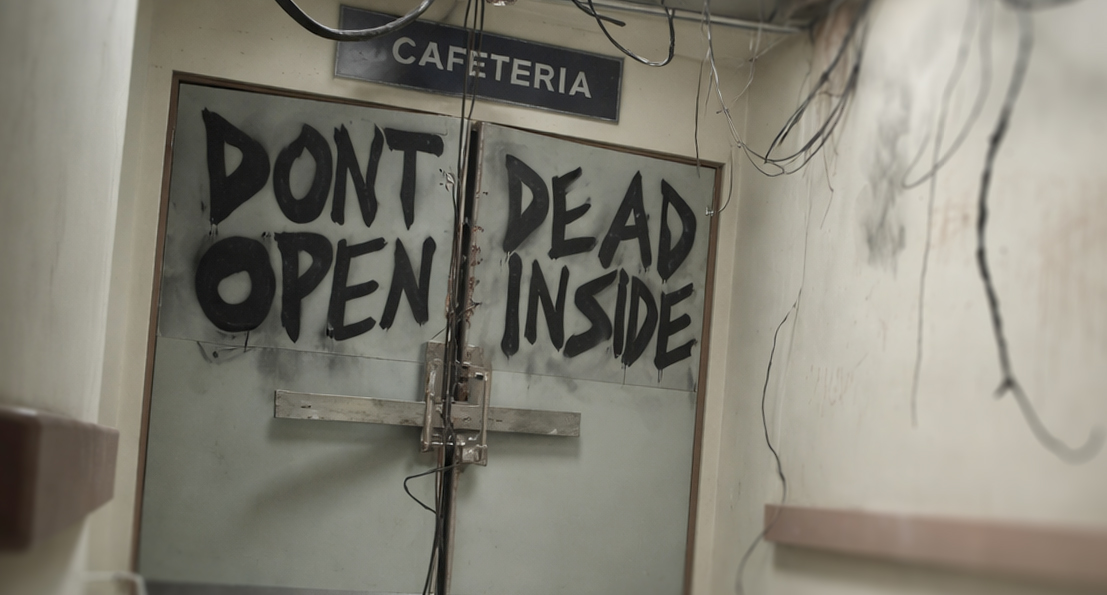 Several people have seen the layout-troubled “Don’t Dead Open Inside” graffiti from The Walking Dead. Even if you have never watched the show, you have probably seen the meme at some point. It is one of those things that sticks because it feels so obviously wrong the second you read it. What makes it interesting is that the words themselves are not the problem. The message is clear when you finally reconfigure your mindset and wrap your head around it. The issue is the layout. The way the words are arranged causes your brain to read them in the wrong order, which turns a simple warning into something either confusing, offensive, or hilarious. That is what makes it such a useful example. It shows how quickly meaning can fall apart when visual structure does not match reading behavior.
 When people talk about branding, they usually point to the most visible piece. The ad, the logo, the booth, the hero graphic. That is the part everyone sees first, so it gets most of the credit. What matters more is what happens beyond those visuals. The structure that keeps everything consistent across dozens of touchpoints, over time, without falling apart. The companies that get this right are not relying on one standout moment. They are building something repeatable. Something that works whether you are looking at a website, opening a shrink-wrapped box, or walking past a booth. That level of consistency rarely comes from one person or one team working in isolation. It is usually a couple of marketing teams with their external partners working together toward the same system. That collaboration is what allows the brand to scale without losing itself.
 Artificial intelligence is one of those technologies I cannot afford to ignore as a business owner. ChatGPT and Claude have already changed how people write, brainstorm, organize information, and generate visuals. ChatGPT launched publicly in November 2022, and the creative industry has been adjusting ever since. That creates an obvious question for Predi Designs. Should we use AI? The honest answer is yes, carefully. Ignoring the tool completely would be stubborn. Relying on it too heavily would be irresponsible. The goal is to understand where it helps, where it creates problems, and where a human designer still needs to be the one making the final call.
 My workflow is heavily dependent on my collaborator, and every collaborator is different. Over time, you start to notice patterns. Not good or bad, just different ways people approach collaboration. Some styles lead to fast, effective results. Others take a little more navigation to get there. This is just part of the job. My role is not just to design, it is to adapt. Every client comes with their own habits, expectations, and communication style, and the better I understand that, the better the work tends to be. If anything, this is more of a field guide. If you see yourself in one of these, you will probably recognize how it affects the process. And if you are looking to get the most out of a subscription like Predi, some of these approaches will naturally get you there faster.
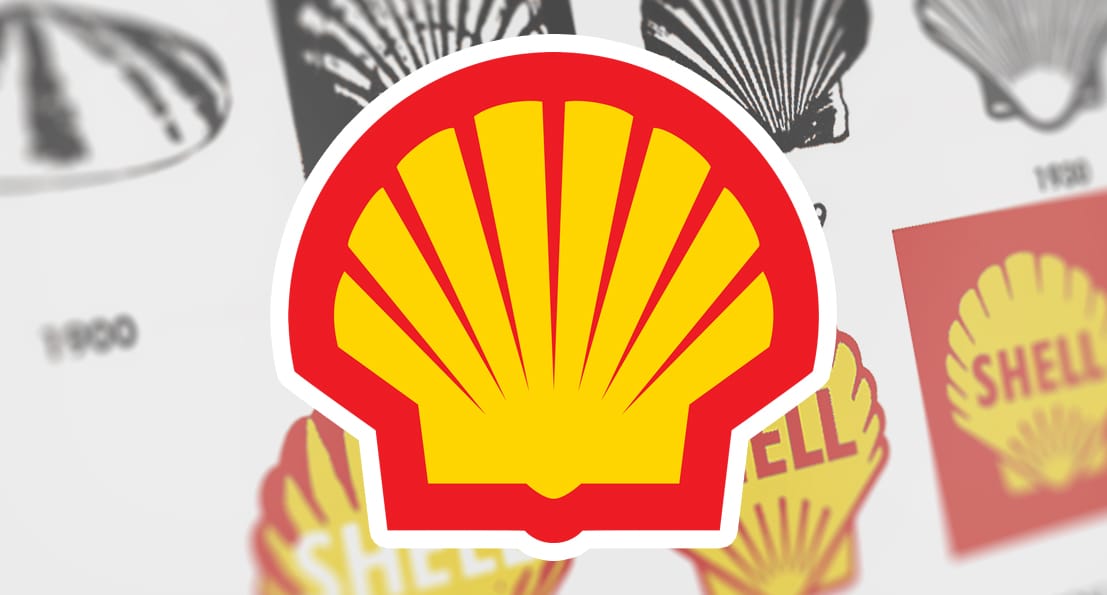 There was a time when icons looked more like illustrations than symbols. Detailed crests, layered textures, hand-drawn typography. The goal was to capture as much personality as possible in a single mark. That made sense in a world where branding mostly lived on signage, packaging, and print. You had the space, and you had the time to take it in. Today, that approach feels out of place. Most logos now live on screens, often at very small sizes. App icons, favicons, social avatars. That shift alone changes how design needs to function. What used to work at full scale no longer holds up when reduced to a tiny square.
 Most people look at a monthly design cost and make a quick judgment. It is either too high or it’s cheap labor that doesn’t deliver. Somewhere in the middle, there is a number that makes people pause and ask, “What could I actually get for this?” That is usually where the real discussion starts. What does a designer actually cost? What are you paying for when you hire in-house versus working with an agency or a subscription? And why do some options that seem cheaper upfront end up costing more over time? There is a lot more going on behind that monthly number than most people realize.