A Brief Look WITH

Psychemedics needed a comprehensive training video to guide new collectors through their strict hair sample collection protocols. We developed a fully animated, step-by-step instructional video, combining 2D character animation, 3D elements, live-action footage, and photography to create an engaging, easy-to-follow tutorial.
categories
Software & Skills
3D Rendering
Adobe After Effects
Adobe Animate
Adobe Flash (Macromedia Flash)
Adobe Illustrator
Animation
Brand Strategy
Character Animation
Cinema4D
Client Collaboration
Keyshot 3D
Lighting & Texturing
Medical Illustration
Motion Graphics
Photography
Sound Design
Special Effects
Vector Illustration
Video Editing
3D Rendering
Adobe After Effects
Adobe Animate
Adobe Flash (Macromedia Flash)
Adobe Illustrator
Animation
Brand Strategy
Character Animation
Cinema4D
Client Collaboration
Keyshot 3D
Lighting & Texturing
Medical Illustration
Motion Graphics
Photography
Sound Design
Special Effects
Vector Illustration
Video Editing
Color Palette
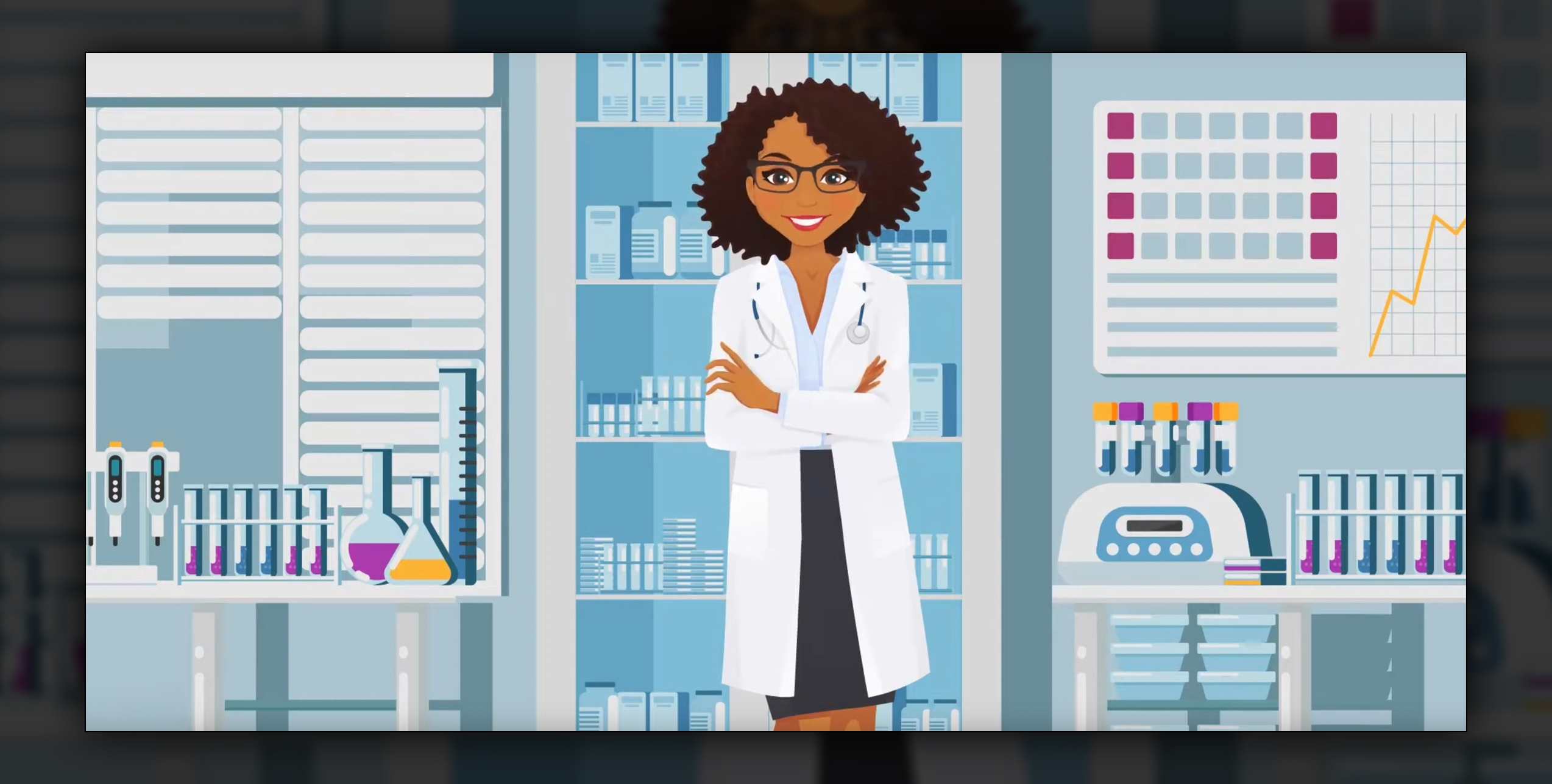
A 2D-animated doctor character guides viewers through every step of the Psychemedics hair collection process, ensuring clarity and engagement. Motion graphics and supporting visuals reinforce key learning points, making the training process clear, efficient, and visually compelling.
Collect
Collect
Summary
Psychemedics required a detailed, visually engaging training video to educate new collectors on their hair drug testing protocols. This video needed to be informative, easy to follow, and visually dynamic to ensure maximum comprehension and retention.
Predi Designs tackled this challenge by combining multiple forms of media, including 2D animation, 3D renderings, live-action recordings, and photography. The narration was pre-recorded, meaning we had to strategically plan animations and visuals around the existing script. To keep the video visually engaging, we animated a doctor character to serve as the narrator, using Adobe Animate for 2D motion and Keyshot for 3D medical illustrations.
Additionally, real-world video footage was captured and edited to show hands-on demonstrations of key collection steps that could not be effectively illustrated through animation alone. The result was a seamlessly integrated, high-quality training tool that ensures collectors understand the exact procedures necessary for accurate sample collection.
Project Goals & Purpose
Psychemedics' hair drug testing process is a highly precise and regulated procedure, requiring collectors to follow strict protocols to ensure valid samples. Since the narration was finalized before animation began, Predi Designs had to meticulously plan the visual components to match the pacing of the script. We leveraged a blend of animation styles, a 2D animated doctor character to provide instructions, 3D-modeled illustrations to show microscopic details, and live-action footage for real-world examples.
By using a multi-format approach, the video remains engaging, easy to understand, and informative, helping collectors retain critical details and perform their duties with precision.
Challenges
One of the main challenges was working with a pre-recorded narration. Since the script and pacing were already set, we had to carefully plan each animation, transition, and live-action clip to sync seamlessly with the audio. The training video required a balance of different media formats. Some concepts were best illustrated with 2D animation, while others needed 3D renderings for clarity, and certain real-world procedures had to be filmed live. Ensuring a cohesive, seamless blend of these formats while maintaining a polished, professional tone was critical.
Another challenge was keeping viewers engaged throughout an instruction-heavy video. To prevent the content from feeling dry, we introduced an animated doctor character to guide the viewer, adding a touch of personality while reinforcing credibility and clarity.
Solutions
To align with the pre-recorded narration, Predi Designs developed a storyboard-driven approach, ensuring that each animated scene, 3D render, and live-action segment perfectly matched the pacing of the voiceover. This meticulous planning resulted in a seamless, professional training experience that felt both natural and informative.
The 2D doctor character played a crucial role in keeping the video engaging and approachable, guiding viewers through each step while maintaining a polished, corporate aesthetic. Every animation was created with clean, fluid motion, keeping the visuals professional while ensuring key steps were easy to follow. For sections that required real-world demonstration, we filmed and edited live-action sequences, blending them with custom 3D animations that showed critical close-ups of the collection process. This combination of real-world examples and technical precision ensured that collectors fully understood the importance of each step.
Client Reception

Psychemedics was highly satisfied with the final video. The clear structure, engaging visuals, and blend of animation and live-action made it an effective and professional training resource. The multi-format approach kept collectors engaged while ensuring critical procedures were fully understood.



Watch Now!
"At Predi Designs, we take pride in creating high-quality, professional training videos that blend animation, live footage, and motion graphics for maximum impact. The Psychemedics Hair Collection Training Video was an exciting challenge, requiring a seamless mix of 2D character animation, 3D-rendered visuals, and real-world demonstrations. By strategically combining these elements, we created an engaging, step-by-step guide that simplifies complex procedures and ensures accurate sample collection. This project highlights our ability to develop dynamic, visually-driven instructional content that enhances training efficiency."
Matthew Ackerman, Predi Designs
downloads
No downloads currently available.
Tags
Related Projects
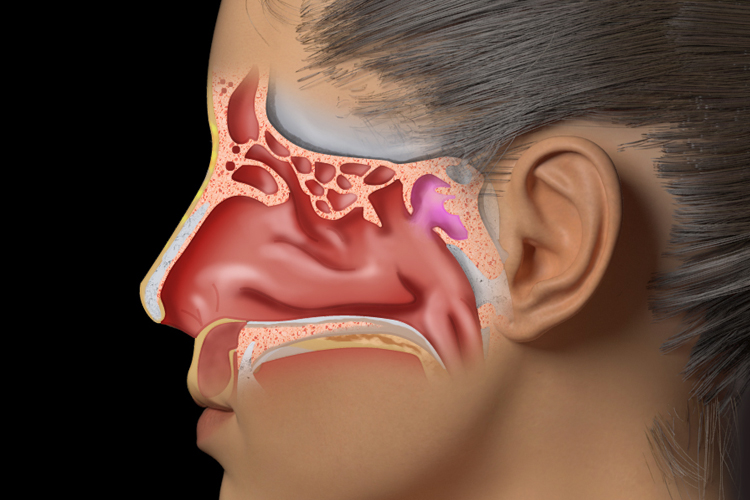 This was a short-term project in which Predi Designs collaborated with the University of Toronto to develop a set of high-quality medical graphics depicting the sinus glands in various states, normal, swollen, and surgically corrected. These visuals were intended to serve as an educational tool for medical professionals and students. The project required extensive research and close collaboration with a team of medical experts to ensure anatomical accuracy.