
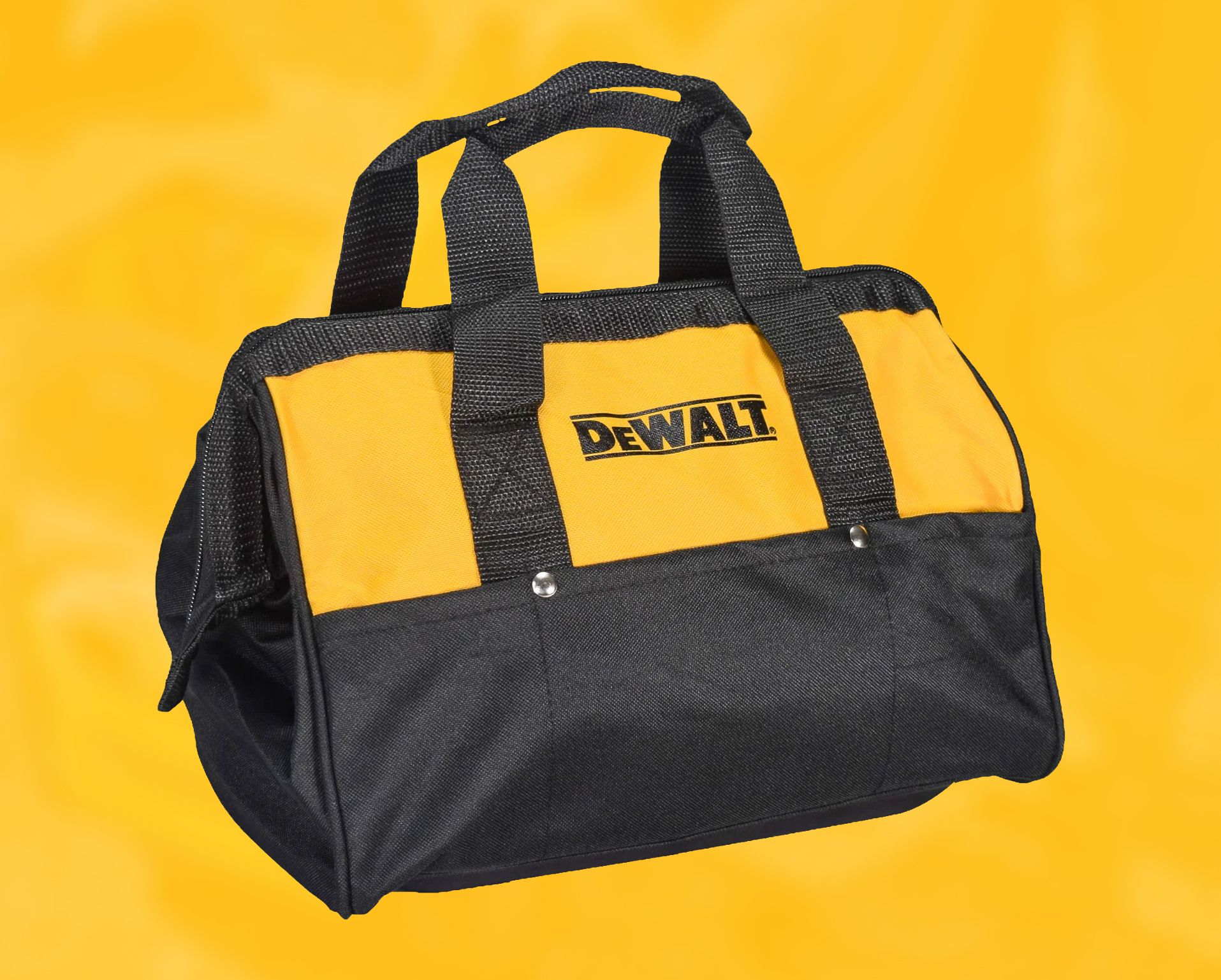
 When people talk about branding, they usually point to the most visible piece. The ad, the logo, the booth, the hero graphic. That is the part everyone sees first, so it gets most of the credit. What matters more is what happens beyond those visuals. The structure that keeps everything consistent across dozens of touchpoints, over time, without falling apart. The companies that get this right are not relying on one standout moment. They are building something repeatable. Something that works whether you are looking at a website, opening a shrink-wrapped box, or walking past a booth. That level of consistency rarely comes from one person or one team working in isolation. It is usually a couple of marketing teams with their external partners working together toward the same system. That collaboration is what allows the brand to scale without losing itself.
 There was a time when icons looked more like illustrations than symbols. Detailed crests, layered textures, hand-drawn typography. The goal was to capture as much personality as possible in a single mark. That made sense in a world where branding mostly lived on signage, packaging, and print. You had the space, and you had the time to take it in. Today, that approach feels out of place. Most logos now live on screens, often at very small sizes. App icons, favicons, social avatars. That shift alone changes how design needs to function. What used to work at full scale no longer holds up when reduced to a tiny square.
 Most people look at a monthly design cost and make a quick judgment. It is either too high or it’s cheap labor that doesn’t deliver. Somewhere in the middle, there is a number that makes people pause and ask, “What could I actually get for this?” That is usually where the real discussion starts. What does a designer actually cost? What are you paying for when you hire in-house versus working with an agency or a subscription? And why do some options that seem cheaper upfront end up costing more over time? There is a lot more going on behind that monthly number than most people realize.
 I have a firm stance when it comes to work-life balance. No marketing project is ever urgent enough to treat someone’s personal life as secondary. That includes mine and it definitely includes the people I work with. Marketing matters, but it is not life and death. I have worked in environments where that line gets blurred. Where everything is labeled urgent, timelines are ignored until the last minute, and the pressure gets passed down to whoever is expected to clean it up. Over time, that kind of workflow does not just hurt the quality of the work, it wears people down. It creates a culture where being available matters more than being effective. That is not something I am interested in building or participating in.
 Minimalism looks simple from the outside, which is why it is so often misunderstood. It asks the designer to make fewer choices and then make each choice count, which is a harder task than filling a page with decoration. Why does "minimal" work require more intent, more listening, and more discipline? Why does the best minimalist piece feel like the inevitable conclusion when you see it for the first time? If your brand leans clean and direct, or if your team is wrestling with cluttered assets, consider this my guide to doing less in a way that communicates more.
 Predi Designs has always grown through quality work and the kind of word-of-mouth that only comes from happy clients who value collaboration. The new website is built to showcase that trust. It gathers a deep portfolio of projects and highlights client testimonials so visitors can see not only what we create but also how we work with the people behind each brand. This site is proof of the relationships and results that built the business and the standard we continue to uphold.
Latest Blog Entry
 After walking a couple of industrial trade shows recently, I came away with one very clear conclusion: there’s no clear consensus on whether trade shows are still working for most exhibitors. One would tell me the show was dead. A few aisles over, someone else was thrilled with the leads they had picked up. Some blamed low traffic. Others blamed the wrong traffic. At first, those opinions seemed impossible to reconcile. A packed show can be a complete waste of time for the wrong exhibitor, while a quiet show can be wildly successful for another. In the end, they are all asking the same question: Will this show produce at least one meaningful conversation?
© 2016 - 2026 • Predi Designs, LLC • All Rights Reserved • Privacy Policy