
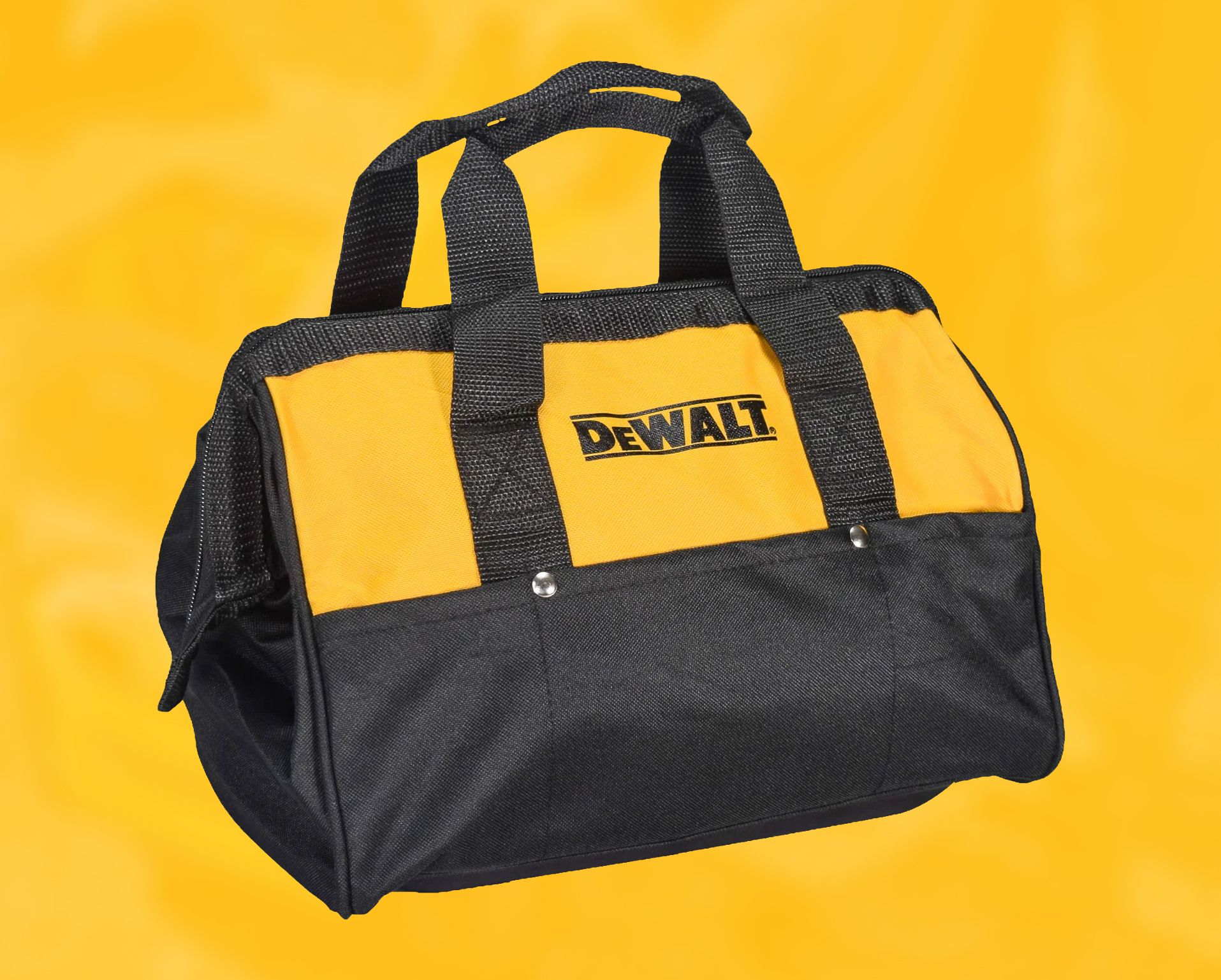
 When people talk about branding, they usually point to the most visible piece. The ad, the logo, the booth, the hero graphic. That is the part everyone sees first, so it gets most of the credit. What matters more is what happens beyond those visuals. The structure that keeps everything consistent across dozens of touchpoints, over time, without falling apart. The companies that get this right are not relying on one standout moment. They are building something repeatable. Something that works whether you are looking at a website, opening a shrink-wrapped box, or walking past a booth. That level of consistency rarely comes from one person or one team working in isolation. It is usually a couple of marketing teams with their external partners working together toward the same system. That collaboration is what allows the brand to scale without losing itself.
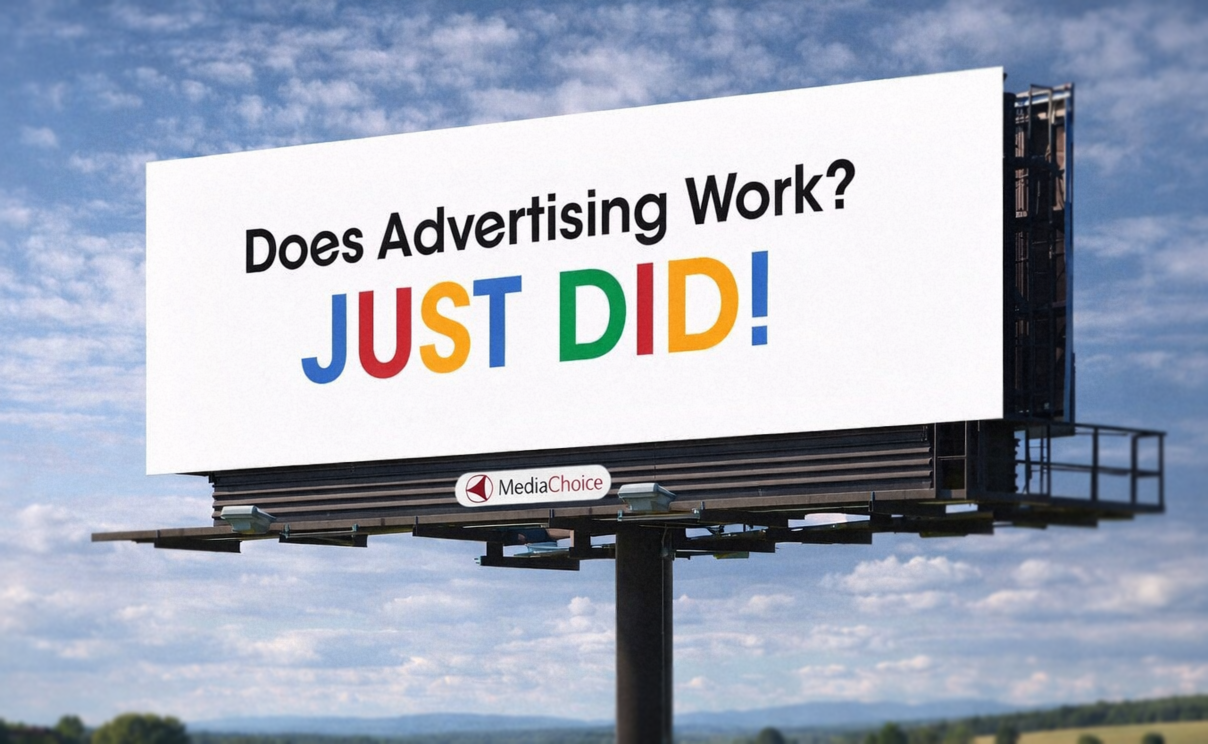 If you have driven anywhere over the past decade, you have probably seen this billboard. The one that says “Does Advertising Work? JUST DID!” It is everywhere, and more importantly, it sticks. You notice it, you remember it, and you might even bring it up later without realizing why. That alone puts it ahead of most billboards, which tend to disappear the second you pass them. What is interesting is how little it is actually doing. There is no product image, no long explanation, and no list of features. Just a question, an answer, and a phone number. That simplicity is doing a lot of work, and it is a good example of how strong ideas tend to carry more weight than layered design. Here is why it lands.
 I have a firm stance when it comes to work-life balance. No marketing project is ever urgent enough to treat someone’s personal life as secondary. That includes mine and it definitely includes the people I work with. Marketing matters, but it is not life and death. I have worked in environments where that line gets blurred. Where everything is labeled urgent, timelines are ignored until the last minute, and the pressure gets passed down to whoever is expected to clean it up. Over time, that kind of workflow does not just hurt the quality of the work, it wears people down. It creates a culture where being available matters more than being effective. That is not something I am interested in building or participating in.
 Rebrands always get attention, but not always for the right reasons. People notice when something familiar changes, especially when that brand has been part of their routine for years. There is a level of emotional attachment that builds over time, even with something as simple as a restaurant logo or packaging design. At the same time, staying the same forever is not an option either. An outdated brand identity makes a company feel behind, even if the product itself is still strong. The challenge is deciding what should evolve and what should stay recognizable. That balance is where most rebrands succeed or fall apart.
 Predi Designs was born from a realization: traditional employment often punishes efficiency. From childhood creativity in digital sandboxes to handling branding for multiple companies at once, the journey to entrepreneurship was anything but linear. After witnessing the limitations of corporate structure where being "too fast" led to busywork, Predi Designs was founded as a subscription-based design service that rewards productivity and provides financial security.
Latest Blog Entry
 After walking a couple of industrial trade shows recently, I came away with one very clear conclusion: there’s no clear consensus on whether trade shows are still working for most exhibitors. One would tell me the show was dead. A few aisles over, someone else was thrilled with the leads they had picked up. Some blamed low traffic. Others blamed the wrong traffic. At first, those opinions seemed impossible to reconcile. A packed show can be a complete waste of time for the wrong exhibitor, while a quiet show can be wildly successful for another. In the end, they are all asking the same question: Will this show produce at least one meaningful conversation?
© 2016 - 2026 • Predi Designs, LLC • All Rights Reserved • Privacy Policy