What Makes Or Breaks A Rebrand
Rebrands always get attention, but not always for the right reasons. People notice when something familiar changes, especially when that brand has been part of their routine for years. Even if someone does not think of themselves as brand-conscious, they still form emotional associations over time. A familiar logo, menu board, or package design becomes part of the experience itself. That is why change can feel disruptive even when the intent is improvement.
At the same time, staying exactly the same is not a real option. Markets shift. Technology changes. Visual languages evolve. A brand that never moves forward eventually feels outdated, even if the product quality remains strong. The tension comes from deciding what to preserve and what to evolve. Too much change risks alienating loyal customers. Too little change risks losing relevance. That balance is where most rebrands either land successfully or stumble.
about

We’re a high-quality, all-inclusive graphic design subscription for brands and businesses.
Some brands are anchored to tradition and emotionally charged memories. Their entire product experience from spotting the brand from the highway to dining to the antique market checkout are rooted in old-fashioned traditions. Modernizing this brand created a visceral reaction that left regulars of the establishment behind.
The Classic Crime
Cracker Barrel And Emotional Equity
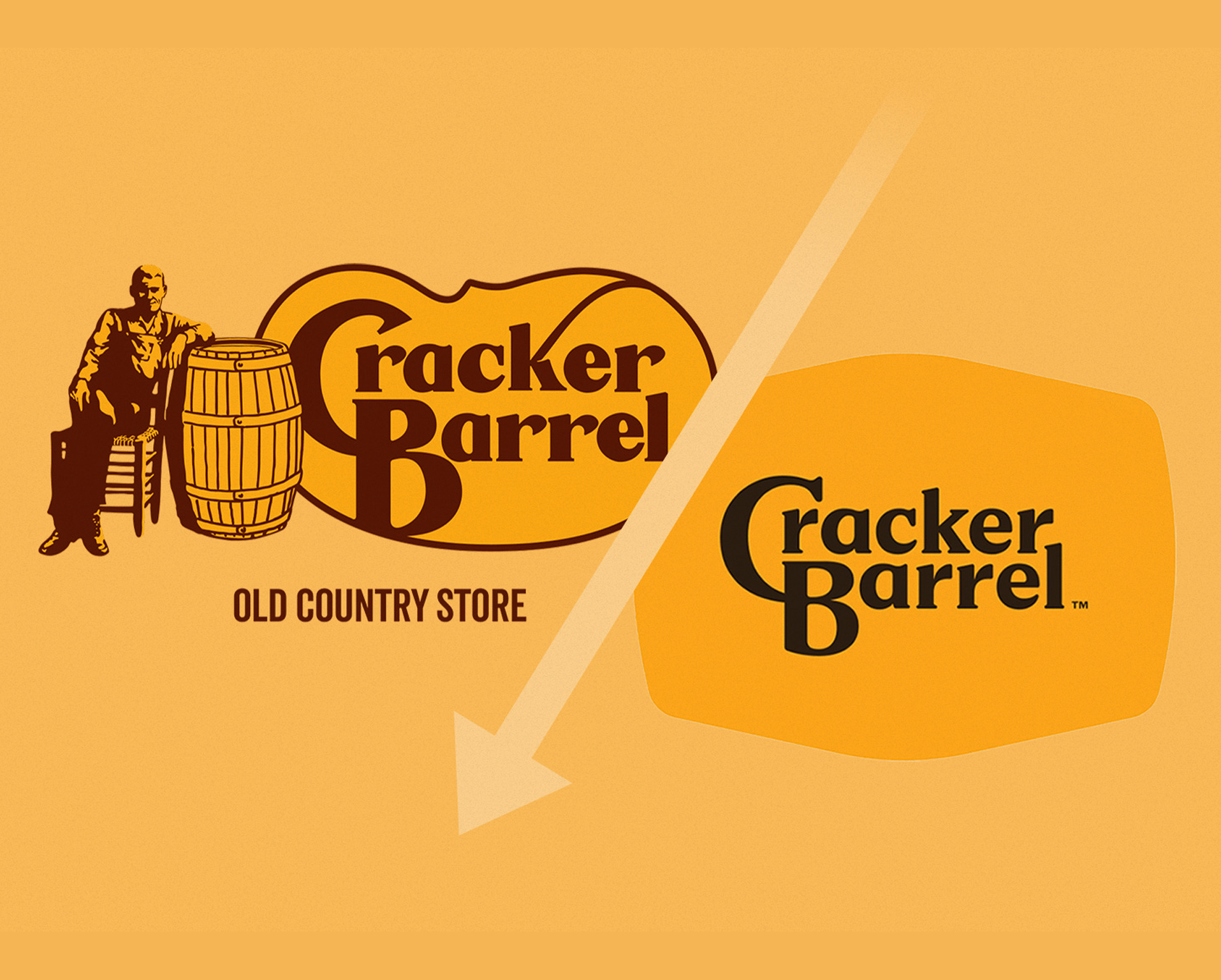
Cracker Barrel Old Country Store has been a familiar roadside presence for decades. For many people, the brand is tied to specific sensory memories: wooden chairs on the porch, peg games on the table, and a very specific visual aesthetic. When the company rolled out a refresh that included updates to the logo, menu presentation, and interior styling, the public reaction was mixed. Some welcomed the cleaner look. Others felt that something meaningful was being diluted or abruptly taken away.
This is not surprising. When a brand becomes part of someone’s routine or nostalgia, the visual identity becomes part of the product experience. Updating it is not just a design decision, it becomes a cultural decision. The challenge here is not whether the new design is technically good, it is whether the change aligns with what people emotionally expect from the brand. That is why discussions around the refresh appeared in marketing press and consumer forums alike, including coverage by Restaurant Business. When a brand carries emotional equity, even subtle changes can feel dramatic.
System of a Domino
Domino’s And System-Level Thinking
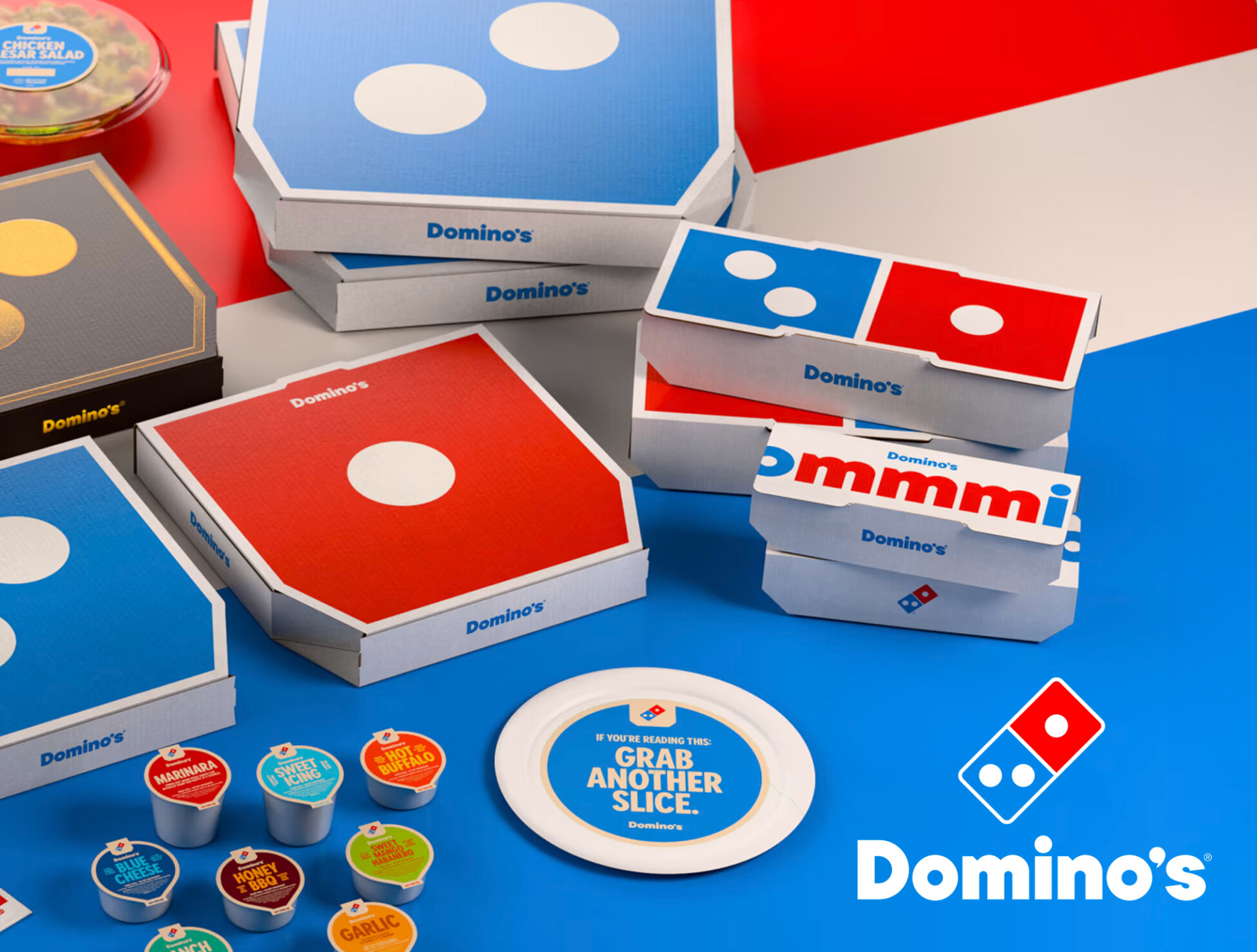
The recent brand refresh from Domino’s Pizza shows a different approach. Instead of focusing only on a logo update, the refresh expanded across the brand system. Changes included updates to color usage, typography, packaging, photography direction, and even audio branding through new sonic elements. That approach reflects an understanding that the brand is experienced across many touchpoints, not just through a single symbol.
Every aspect of the Domino's brand was approached with the same intention and care. It created a system that defines every deliverable is undeniably from the same source.
This kind of systemic thinking is easier for customers to accept because it aligns with how they actually interact with the brand. You see the brand on a website, on a pizza box, in the app interface, in advertising, and in physical signage. When all of those elements evolve together, the update feels cohesive rather than abrupt. That consistency is a hallmark of strong branding systems, a topic often discussed by organizations like the Design Management Institute. When a rebrand updates the entire system instead of only a single visual element, it feels intentional rather than superficial.
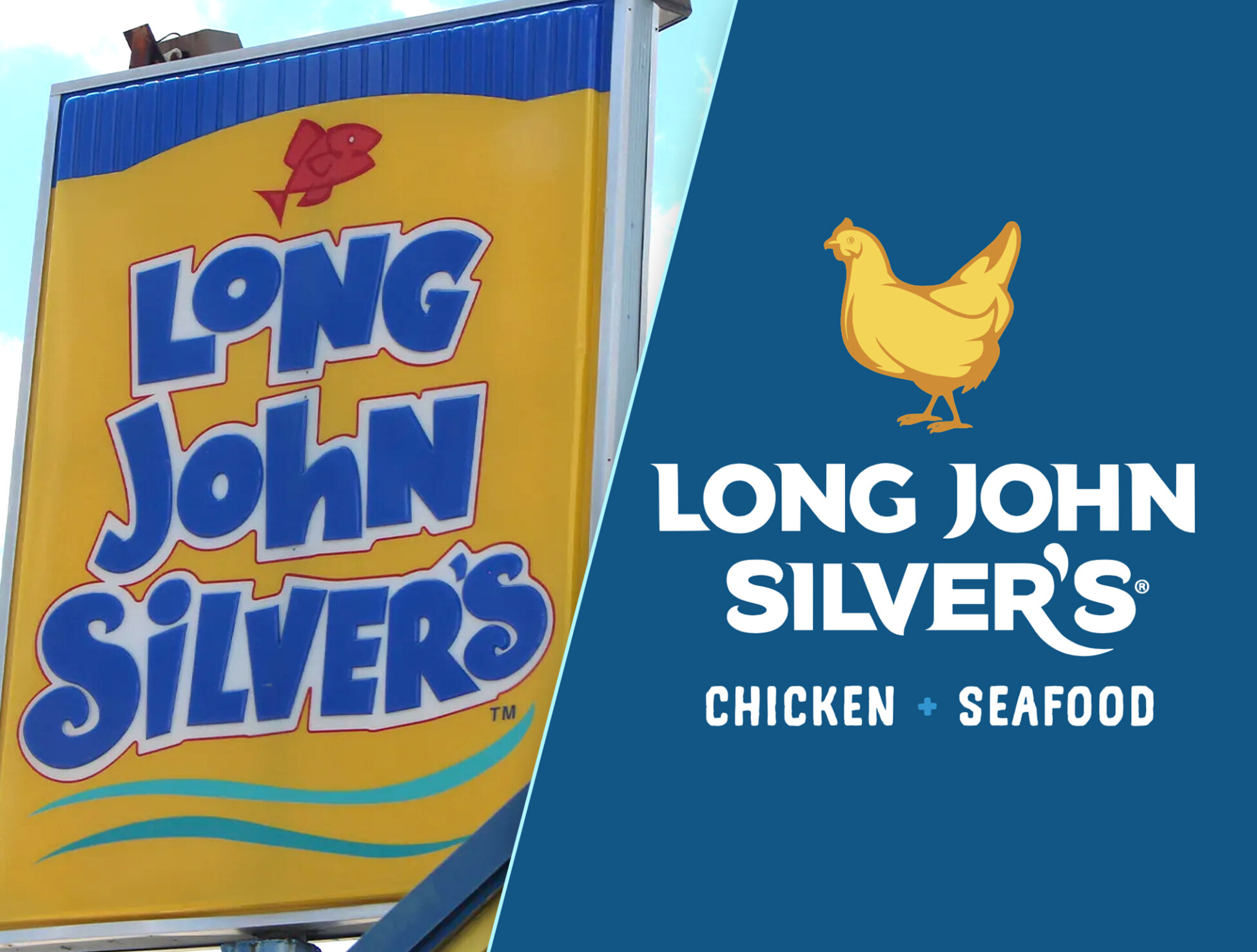
Long John Silver's was notoriously a seafood establishment, but since their inception, they've always served chicken. This branding change positioned their offerings in a way that pushed them into the public eye without betraying their loyal customers who still receive the same service.
Between Land & Sea
Long John Silver’s And Strategy Shift
Long John Silver’s took a different route entirely. The brand updated its identity by adding chicken into the brand lockup and visual language. That is not simply a stylistic choice. It communicates a shift in how the company wants to position its offerings. By changing the core iconography, the brand signals a strategic adjustment to its product focus and audience expectations.
This is an important reminder that visual identity often reflects business strategy. When the core offering evolves, the branding often needs to shift with it. A rebrand like this is not about aesthetics alone. It communicates direction, competitive positioning, and business priorities. That is why brand shifts like this attract attention beyond the design community. When design aligns with strategy, the result feels purposeful even if the change is bold.
Stuck in the Middle
The Balance Between Change And Recognition
Across all of these examples, the same tension shows up. Brands must evolve to stay relevant, but they also need to remain recognizable. If the shift is too aggressive, loyal customers may feel disconnected from the brand they remember. If the shift is too minimal, the brand risks looking outdated compared to competitors who feel more contemporary. The strongest rebrands strike a balance, updating what needs to evolve while preserving core identity elements.
Not all rebrands should be approached equally. Depending on context it's always best to treat altering established branding with the knowledge that blowback is inevitable. Often, it's the response to the blowback that can put the final nail in the coffin.
This balance is not easy. It requires understanding both the emotional and practical sides of branding. Design is not only about how something looks. It shapes perception, builds trust, and influences how people interpret a brand’s values. That is why rebrands often spark strong reactions. They are not just visual changes. They are statements about identity and direction. When done well, the updated identity strengthens recognition rather than diluting it. When done poorly, it creates confusion or backlash.
Some brands are anchored to tradition and emotionally charged memories. Their entire product experience from spotting the brand from the highway to dining to the antique market checkout are rooted in old-fashioned traditions. Modernizing this brand created a visceral reaction that left regulars of the establishment behind.
The Classic Crime
Cracker Barrel And Emotional Equity
Cracker Barrel Old Country Store has been a familiar roadside presence for decades. For many people, the brand is tied to specific sensory memories: wooden chairs on the porch, peg games on the table, and a very specific visual aesthetic. When the company rolled out a refresh that included updates to the logo, menu presentation, and interior styling, the public reaction was mixed. Some welcomed the cleaner look. Others felt that something meaningful was being diluted or abruptly taken away.
This is not surprising. When a brand becomes part of someone’s routine or nostalgia, the visual identity becomes part of the product experience. Updating it is not just a design decision, it becomes a cultural decision. The challenge here is not whether the new design is technically good, it is whether the change aligns with what people emotionally expect from the brand. That is why discussions around the refresh appeared in marketing press and consumer forums alike, including coverage by Restaurant Business. When a brand carries emotional equity, even subtle changes can feel dramatic.
Every aspect of the Domino's brand was approached with the same intention and care. It created a system that defines every deliverable is undeniably from the same source.
System of a Domino
Domino’s And System-Level Thinking
The recent brand refresh from Domino’s Pizza shows a different approach. Instead of focusing only on a logo update, the refresh expanded across the brand system. Changes included updates to color usage, typography, packaging, photography direction, and even audio branding through new sonic elements. That approach reflects an understanding that the brand is experienced across many touchpoints, not just through a single symbol.
This kind of systemic thinking is easier for customers to accept because it aligns with how they actually interact with the brand. You see the brand on a website, on a pizza box, in the app interface, in advertising, and in physical signage. When all of those elements evolve together, the update feels cohesive rather than abrupt. That consistency is a hallmark of strong branding systems, a topic often discussed by organizations like the Design Management Institute. When a rebrand updates the entire system instead of only a single visual element, it feels intentional rather than superficial.
Long John Silver's was notoriously a seafood establishment, but since their inception, they've always served chicken. This branding change positioned their offerings in a way that pushed them into the public eye without betraying their loyal customers who still receive the same service.
Between Land & Sea
Long John Silver’s And Strategy Shift
Long John Silver’s took a different route entirely. The brand updated its identity by adding chicken into the brand lockup and visual language. That is not simply a stylistic choice. It communicates a shift in how the company wants to position its offerings. By changing the core iconography, the brand signals a strategic adjustment to its product focus and audience expectations.
This is an important reminder that visual identity often reflects business strategy. When the core offering evolves, the branding often needs to shift with it. A rebrand like this is not about aesthetics alone. It communicates direction, competitive positioning, and business priorities. That is why brand shifts like this attract attention beyond the design community. When design aligns with strategy, the result feels purposeful even if the change is bold.
Not all rebrands should be approached equally. Depending on context it's always best to treat altering established branding with the knowledge that blowback is inevitable. Often, it's the response to the blowback that can put the final nail in the coffin.
Stuck in the Middle
The Balance Between Change And Recognition
Across all of these examples, the same tension shows up. Brands must evolve to stay relevant, but they also need to remain recognizable. If the shift is too aggressive, loyal customers may feel disconnected from the brand they remember. If the shift is too minimal, the brand risks looking outdated compared to competitors who feel more contemporary. The strongest rebrands strike a balance, updating what needs to evolve while preserving core identity elements.
This balance is not easy. It requires understanding both the emotional and practical sides of branding. Design is not only about how something looks. It shapes perception, builds trust, and influences how people interpret a brand’s values. That is why rebrands often spark strong reactions. They are not just visual changes. They are statements about identity and direction. When done well, the updated identity strengthens recognition rather than diluting it. When done poorly, it creates confusion or backlash.

Matthew A.
Owner of Predi Designs
Matthew began as an online content creator in his teenage years, crafting Flash animations and games for internet audiences and collaborating with other young creatives worldwide. He later graduated cum laude from Texas A&M University’s Visualization Program, where he honed his skills in design, animation, and interactive media. He has owned and operated Predi Designs since 2016.
A Subscription Just Makes Sense.
Predi Designs delivers unlimited high-quality graphic design for a flat monthly rate, making top-tier branding and marketing more affordable, flexible, and efficient than traditional agencies. Plus, without salaries, benefits, or equipment costs, it’s more cost-effective than hiring in-house. No hourly fees, no scope limits. Just fast, reliable design on demand. Scale smarter, save more, and streamline creativity with Predi Designs.
blog tags
related posts
 The early months of the COVID lockdown created stress for nearly every business I worked alongside. Clients were juggling layoffs, unpredictable budgets and constantly shifting priorities, and most of them were trying to keep their teams afloat with limited financial clarity. One client in particular was falling behind on invoices with no clear path to catch up. The sudden silence surrounding payment was unusual. They were still sending work, still pushing for campaigns and content, yet visibly struggling to communicate about finances. I felt undervalued at the time, but I also understood the pressure their internal teams faced. After two months of unpaid work, I made a decision that felt risky but human. I reached out with empathy instead of confrontation, which turned out to shape the next several years of our partnership. It became one of the most defining business lessons of my career, and a reminder that relationships are often more valuable than short term frustration. For anyone building a business rooted in trust, this story might resonate.
 After walking a couple of industrial trade shows recently, I came away with one very clear conclusion: there’s no clear consensus on whether trade shows are still working for most exhibitors. One would tell me the show was dead. A few aisles over, someone else was thrilled with the leads they had picked up. Some blamed low traffic. Others blamed the wrong traffic. At first, those opinions seemed impossible to reconcile. A packed show can be a complete waste of time for the wrong exhibitor, while a quiet show can be wildly successful for another. In the end, they are all asking the same question: Will this show produce at least one meaningful conversation?
 Predi Designs was built on strong relationships and consistent quality, not flashy sales tactics. From the start, clients have shared our work with others because collaboration makes the results worth talking about. The subscription model grew out of that trust. It gives every client full access without surprises and gives me the steady foundation to focus on great design instead of constant billing. This post explains how that single decision shaped the studio and why predictable revenue lets both sides create with confidence.