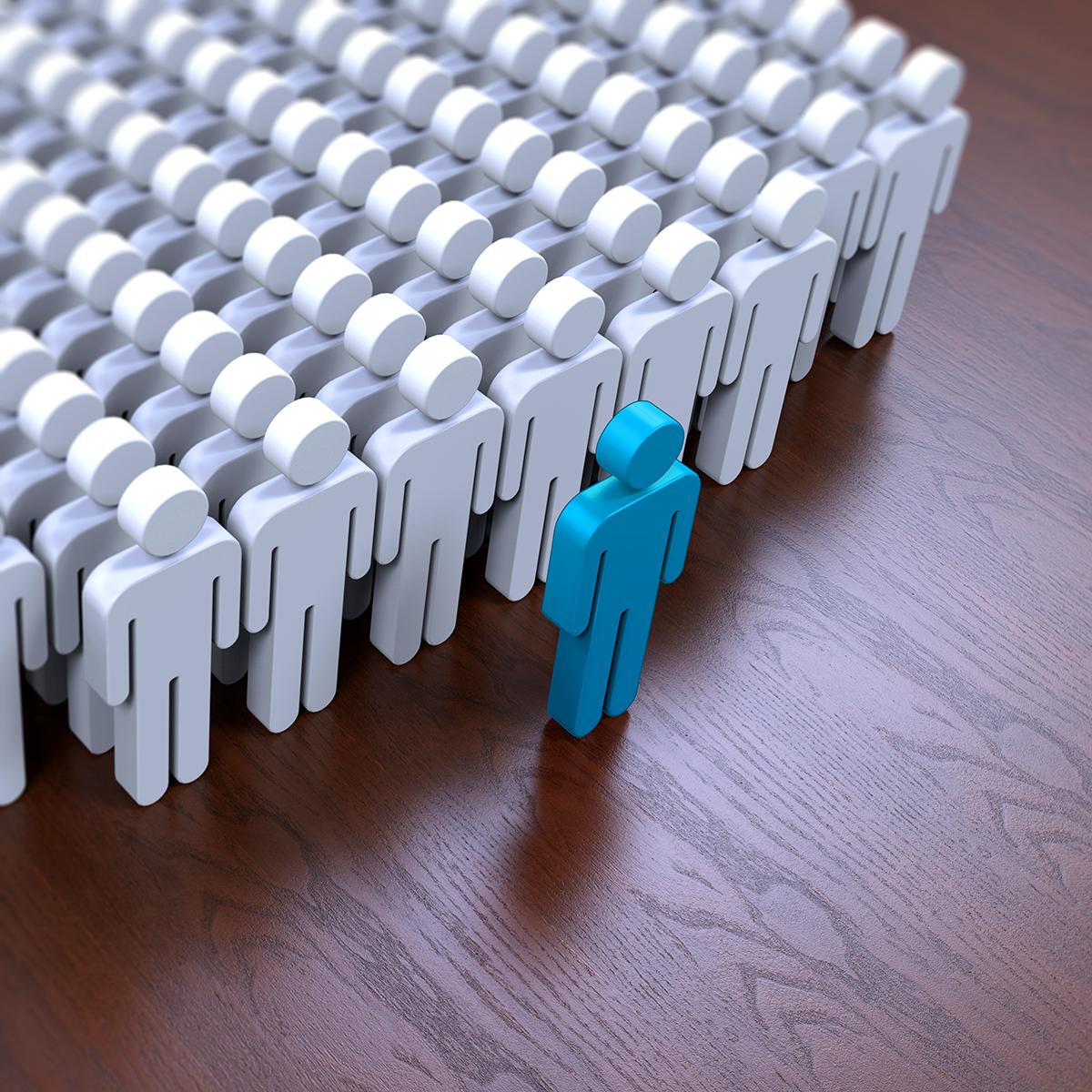
 My workflow is heavily dependent on my collaborator, and every collaborator is different. Over time, you start to notice patterns. Not good or bad, just different ways people approach collaboration. Some styles lead to fast, effective results. Others take a little more navigation to get there. This is just part of the job. My role is not just to design, it is to adapt. Every client comes with their own habits, expectations, and communication style, and the better I understand that, the better the work tends to be. If anything, this is more of a field guide. If you see yourself in one of these, you will probably recognize how it affects the process. And if you are looking to get the most out of a subscription like Predi, some of these approaches will naturally get you there faster.
 I have a firm stance when it comes to work-life balance. No marketing project is ever urgent enough to treat someone’s personal life as secondary. That includes mine and it definitely includes the people I work with. Marketing matters, but it is not life and death. I have worked in environments where that line gets blurred. Where everything is labeled urgent, timelines are ignored until the last minute, and the pressure gets passed down to whoever is expected to clean it up. Over time, that kind of workflow does not just hurt the quality of the work, it wears people down. It creates a culture where being available matters more than being effective. That is not something I am interested in building or participating in.
 For years, I have stumbled a little when someone asks what I do. The easy answer is “graphic designer”. It keeps the conversation moving. It is accurate, but only partially. “Owner” is technically correct too, but that tells you very little about my day to day. I even printed “graphic wizard” on my business cards. It makes people smile, which I still appreciate. It just does not fully answer the question. The hesitation comes from range. There is a wide scope of services, and they do not fit neatly into something I feel comfortable saying in one sentence. When I look at <a href="https://predi-designs.com/how-it-works/#services" target="_blank"> the Predi Designs services list</a>, I see websites, 3D animation, trade show booths, social campaigns, structured documents, presentation decks, and additional technical visuals. That collection works well together, but it does not sit cleanly under a single traditional label. So this post is not about finding something clever. It is about describing the work honestly. What am I actually doing for clients every month?
 Money talk in creative work is a time hog. Tracking hours logged, discussing scope of work and where my jurisdiction ends, adding watermarks to prevent theft, generating billing documents, creating quotes and invoices, all with the added bonus of possibly upsetting the customer. After years of watching good ideas stall because budgets felt like a moving target, I decided to work differently. This article is not a price sheet, it is a look at why Predi Designs built a subscription model that rewards trust and output instead of clock watching. If you have ever felt that hourly billing punishes efficiency or turns collaboration into a negotiation, you will understand exactly why we changed course.
 Predi Designs has grown almost entirely through real-world recommendations. The business has thrived because former clients and colleagues continue to speak highly of their experience long after a project ends. Their confidence in our work built a steady flow of new opportunities without paid advertising or heavy online marketing. This article highlights how those offline connections and positive experiences shaped the company’s growth and inspired the testimonial features on the 2025 website.
 Predi Designs began with a lean idea, an agency where I could handle a wide range of projects, build strong client relationships, and keep the work efficient. For a long time, that approach worked. I started young. As a teenager, I spent free time animating cartoons for the internet and making Flash games for people to play. I loved it, and I loved collaborating with other talented kids around the world. Animation needed voice actors. Games needed programmers. We found each other in forums and chat groups, working together because we wanted to, without contracts or deadlines.
 Predi Designs was born from a realization: traditional employment often punishes efficiency. From childhood creativity in digital sandboxes to handling branding for multiple companies at once, the journey to entrepreneurship was anything but linear. After witnessing the limitations of corporate structure where being "too fast" led to busywork, Predi Designs was founded as a subscription-based design service that rewards productivity and provides financial security.
Latest Blog Entry
 After walking a couple of industrial trade shows recently, I came away with one very clear conclusion: there’s no clear consensus on whether trade shows are still working for most exhibitors. One would tell me the show was dead. A few aisles over, someone else was thrilled with the leads they had picked up. Some blamed low traffic. Others blamed the wrong traffic. At first, those opinions seemed impossible to reconcile. A packed show can be a complete waste of time for the wrong exhibitor, while a quiet show can be wildly successful for another. In the end, they are all asking the same question: Will this show produce at least one meaningful conversation?
© 2016 - 2026 • Predi Designs, LLC • All Rights Reserved • Privacy Policy