What Do I Actually Do
For years, I have stumbled a little when someone asks what I do. The easy answer is “graphic designer”. It keeps the conversation moving. It is accurate, but only partially. “Owner” is technically correct too, but that tells you very little about my day to day. I even printed “graphic wizard” on my business cards. It makes people smile, which I still appreciate. It just does not fully answer the question.
The hesitation comes from range. There is a wide scope of services, and they do not fit neatly into something I feel comfortable saying in one sentence. When I look at the Predi Designs services list, I see websites, 3D animation, trade show booths, social campaigns, structured documents, presentation decks, and additional technical visuals. That collection works well together, but it does not sit cleanly under a single traditional label.
So this post is not about finding something clever. It is about describing the work honestly. What am I actually doing for clients every month?
about

We’re a high-quality, all-inclusive graphic design subscription for brands and businesses.
While I can provide graphic design services, the scope of my services far extends beyond the standard graphic designer.
Scope grows with the work itself
When Titles Lag Behind The Work
Graphic designer carries a specific expectation. Most people hear it and picture logos, brand colors, brochures, maybe some social posts. That is all valid work. It just does not reflect the full range of what I build day to day.
A typical week might include refining typography on a spec sheet, reviewing a web layout for responsiveness, exporting vector artwork for large-format print, and rendering a 3D valve animation for a sales presentation. Those tasks are connected, but they stretch beyond what most people associate with the title.
Over time, the work expanded while the label stayed the same. Eventually that gap becomes noticeable in conversations.
Consistency across everything they build
What Clients Actually Experience
Clients do not experience this as a list of services. They just experience a reliable source of continuity. They see the same visual language carry from a website to a sales deck to a booth graphic. They ask for help. I help.
When a request comes in for a trade show banner, it connects to their website, which connects to their product visuals, which connects to their presentations. That only works when one person understands how all of those pieces relate to each other.
Most of my job is solving problems rather than being creative. The problem of "How do I effectively express this branded message effectively?" That doesn't necessarily mean the final product will be visually impressive or unique, but the problem gets solved.
There is a reason companies that integrate design into their operations tend to perform better over time. The Design Management Institute has published research on long-term value tied to design integration Design Value Index research. Their findings were, put simply, “Companies that take design seriously tend to do better.” According to the piece, companies that really build design into how they run their business did much better in the stock market than the S&P 500 over a long period of time. Good design helps solve problems. That’s why good design is valuable.
That kind of consistency does not happen through one-off work. It comes from someone seeing the full picture and staying involved. That is closer to how I operate with clients.
I've contemplated this for a while. One thing that's lasted throughout a decade of this work is that through the subscription, I become a collaborative partner.
It reflects how the work actually happens
Why “Partner” Fits The Role
The phrase that has started to make the most sense to me is “Subscription Creative Partner”. It describes how I show up more than what I produce. Normally, I’m involved in the planning conversations. I ask questions before designing anything if necessary. I adjust when priorities shift. I stay involved as campaigns evolve instead of treating each request like a separate project.
That kind of involvement naturally changes how decisions are made. There is more context. There is more consistency. There is less guesswork. Partner also sets the expectation that I am contributing to the direction, not only executing tasks. That is how most of my client relationships actually function.
They influence how people approach the role
Titles Shape How The Work Is Done
This question extends to anyone I bring on in the future. If they are managing clients, guiding decisions, and maintaining brand systems, their title should reflect that level of responsibility.
A title focused on production tends to push people toward speed and output. A title centered around partnership encourages them to think about clarity, consistency, and long-term impact. It changes how feedback is handled and how decisions are made.
The wording is not just external positioning. It shapes how the work is approached internally.
That is the direction I want to build toward.
While I can provide graphic design services, the scope of my services far extends beyond the standard graphic designer.
Scope grows with the work itself
When Titles Lag Behind The Work
Graphic designer carries a specific expectation. Most people hear it and picture logos, brand colors, brochures, maybe some social posts. That is all valid work. It just does not reflect the full range of what I build day to day.
A typical week might include refining typography on a spec sheet, reviewing a web layout for responsiveness, exporting vector artwork for large-format print, and rendering a 3D valve animation for a sales presentation. Those tasks are connected, but they stretch beyond what most people associate with the title.
Over time, the work expanded while the label stayed the same. Eventually that gap becomes noticeable in conversations.
Most of my job is solving problems rather than being creative. The problem of "How do I effectively express this branded message effectively?" That doesn't necessarily mean the final product will be visually impressive or unique, but the problem gets solved.
Consistency across everything they build
What Clients Actually Experience
Clients do not experience this as a list of services. They just experience a reliable source of continuity. They see the same visual language carry from a website to a sales deck to a booth graphic. They ask for help. I help.
When a request comes in for a trade show banner, it connects to their website, which connects to their product visuals, which connects to their presentations. That only works when one person understands how all of those pieces relate to each other.
There is a reason companies that integrate design into their operations tend to perform better over time. The Design Management Institute has published research on long-term value tied to design integration Design Value Index research. Their findings were, put simply, “Companies that take design seriously tend to do better.” According to the piece, companies that really build design into how they run their business did much better in the stock market than the S&P 500 over a long period of time. Good design helps solve problems. That’s why good design is valuable.
That kind of consistency does not happen through one-off work. It comes from someone seeing the full picture and staying involved. That is closer to how I operate with clients.
I've contemplated this for a while. One thing that's lasted throughout a decade of this work is that through the subscription, I become a collaborative partner.
It reflects how the work actually happens
Why “Partner” Fits The Role
The phrase that has started to make the most sense to me is “Subscription Creative Partner”. It describes how I show up more than what I produce. Normally, I’m involved in the planning conversations. I ask questions before designing anything if necessary. I adjust when priorities shift. I stay involved as campaigns evolve instead of treating each request like a separate project.
That kind of involvement naturally changes how decisions are made. There is more context. There is more consistency. There is less guesswork. Partner also sets the expectation that I am contributing to the direction, not only executing tasks. That is how most of my client relationships actually function.
They influence how people approach the role
Titles Shape How The Work Is Done
This question extends to anyone I bring on in the future. If they are managing clients, guiding decisions, and maintaining brand systems, their title should reflect that level of responsibility.
A title focused on production tends to push people toward speed and output. A title centered around partnership encourages them to think about clarity, consistency, and long-term impact. It changes how feedback is handled and how decisions are made.
The wording is not just external positioning. It shapes how the work is approached internally.
That is the direction I want to build toward.

Matthew A.
Owner of Predi Designs
Matthew began as an online content creator in his teenage years, crafting Flash animations and games for internet audiences and collaborating with other young creatives worldwide. He later graduated cum laude from Texas A&M University’s Visualization Program, where he honed his skills in design, animation, and interactive media. He has owned and operated Predi Designs since 2016.
A Subscription Just Makes Sense.
Predi Designs delivers unlimited high-quality graphic design for a flat monthly rate, making top-tier branding and marketing more affordable, flexible, and efficient than traditional agencies. Plus, without salaries, benefits, or equipment costs, it’s more cost-effective than hiring in-house. No hourly fees, no scope limits. Just fast, reliable design on demand. Scale smarter, save more, and streamline creativity with Predi Designs.
blog tags
related posts
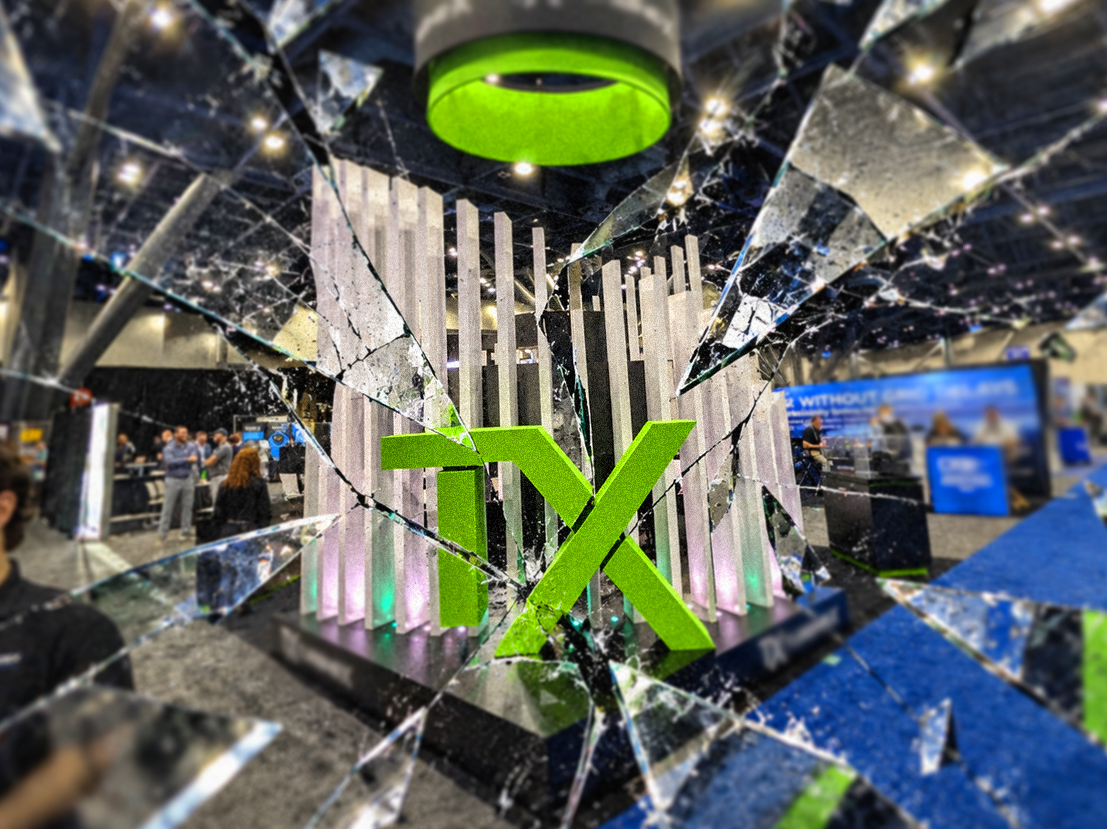 After walking a couple of industrial trade shows recently, I came away with one very clear conclusion: there’s no clear consensus on whether trade shows are still working for most exhibitors. One would tell me the show was dead. A few aisles over, someone else was thrilled with the leads they had picked up. Some blamed low traffic. Others blamed the wrong traffic. At first, those opinions seemed impossible to reconcile. A packed show can be a complete waste of time for the wrong exhibitor, while a quiet show can be wildly successful for another. In the end, they are all asking the same question: Will this show produce at least one meaningful conversation?