
 Artificial intelligence is one of those technologies I cannot afford to ignore as a business owner. ChatGPT and Claude have already changed how people write, brainstorm, organize information, and generate visuals. ChatGPT launched publicly in November 2022, and the creative industry has been adjusting ever since. That creates an obvious question for Predi Designs. Should we use AI? The honest answer is yes, carefully. Ignoring the tool completely would be stubborn. Relying on it too heavily would be irresponsible. The goal is to understand where it helps, where it creates problems, and where a human designer still needs to be the one making the final call.
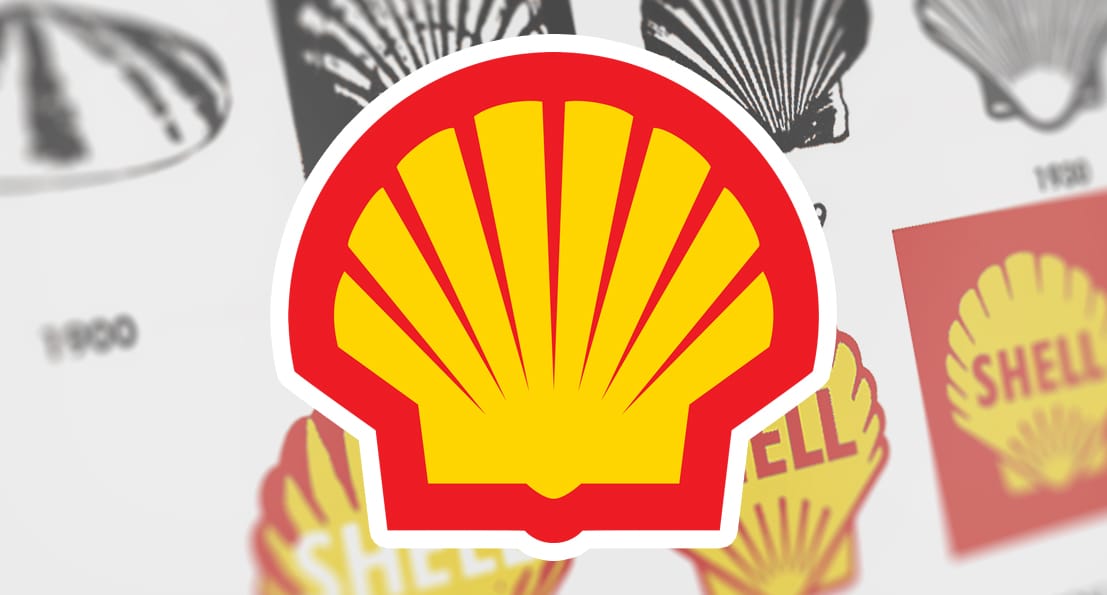 There was a time when icons looked more like illustrations than symbols. Detailed crests, layered textures, hand-drawn typography. The goal was to capture as much personality as possible in a single mark. That made sense in a world where branding mostly lived on signage, packaging, and print. You had the space, and you had the time to take it in. Today, that approach feels out of place. Most logos now live on screens, often at very small sizes. App icons, favicons, social avatars. That shift alone changes how design needs to function. What used to work at full scale no longer holds up when reduced to a tiny square.
 Rebrands always get attention, but not always for the right reasons. People notice when something familiar changes, especially when that brand has been part of their routine for years. There is a level of emotional attachment that builds over time, even with something as simple as a restaurant logo or packaging design. At the same time, staying the same forever is not an option either. An outdated brand identity makes a company feel behind, even if the product itself is still strong. The challenge is deciding what should evolve and what should stay recognizable. That balance is where most rebrands succeed or fall apart.
Latest Blog Entry
 Artificial intelligence changed more than the tools. It changed how people look at creative work. A polished composite, a surreal product image, or a heavily manipulated photo now gets a different reaction than it would have a few years ago. People see something impressive and immediately wonder if it was generated, even when the work was created long before ChatGPT was publicly released in November 2022. OpenAI’s original ChatGPT announcement is a useful timestamp for how recent this shift really is.
© 2016 - 2026 • Predi Designs, LLC • All Rights Reserved • Privacy Policy