Different Personalities & How They Affect Collaboration
My workflow is heavily dependent on my collaborator, and every collaborator is different. Over time, you start to notice patterns. Not good or bad, just different ways people approach collaboration. Some styles lead to fast, effective results. Others take a little more navigation to get there.
This is just part of the job. My role requires adaptability. Every client comes with their own habits, expectations, and communication style, and the better I understand that, the better the work tends to be. If anything, this is more of a field guide.
If you see yourself in one of these, you will probably recognize how it affects the process. And if you are looking to get the most out of a subscription like Predi, some of these approaches will naturally get you there faster.
about
We’re a high-quality, all-inclusive graphic design subscription for brands and businesses.
We work with all types of people and some working personalities are just more compatible than others for maximizing effectiveness of our services.
A Slower Pace
Where There's Room For Improvement
These clients introduce a bit more speed bumps into the process. Nothing that can’t be managed, but it usually takes a little longer to get aligned and moving in the same direction.
There’s often a bit more back-and-forth upfront. Clarifying goals, gathering missing pieces, or working through uncertainty before the real work can begin. It’s a less direct approach to arriving at the same final destination.
Once everything clicks into place, the process smooths out. It just takes a little more time to get there. I think of it as the start of a learning curve.
The Boy Who Cried Deadline
The Fire Drill Enthusiast
Everything is urgent. Every request comes in with the same level of intensity, no matter the scope or timeline. Sometimes there’s real pressure behind it, a true deadline that needs to be met. Other times, it’s just a pattern of wanting things done immediately, regardless of when the work could have realistically been started.
When everything is treated as urgent, nothing actually stands out as a priority. It flattens the workflow and forces everything into reactive mode. That’s when quality starts to slip. The work can’t be done well because there isn’t enough time to do it properly. There’s no time to experiment with layout, create unique visuals, or fine-tune content.
My approach to the fire drill enthusiast is to slow things down just enough to sort through it. What is the real deadline? What absolutely needs to happen today, and what can wait? Once that gets clarified, things usually fall into place quickly. Most of the time, the pressure isn’t as immediate as it first seems.
I often end up working on the same project well beyond the initial deadline once revisions come in. The difference is that the foundation was rushed, so getting to the end of the rainbow takes a bit more wandering than it should.
Working Me Backwards
The Final Hour Visionary
These are the clients who’ve already had multiple calls, pow-wow sessions, and project meetings without me. They keep it close-to-the-chest until the last possible moment. By the time I am roped into the conversations, the decisions have already been made and I’m playing catch-up. In addition, I’ll usually have substantially less time to actually execute the project. Without being part of the earlier thinking, the design process gets disconnected. I am solving a visual problem without understanding how or why it was built.
To work with this kind of client, I usually try to work backward. Ask tons of questions, get context, rebuild the thought process as best as possible. It works, but it is always smoother when I am involved earlier. Why did we land on these choices? Are they set in stone or will they be flexible?
Also, I’ve found that many of those early discussion decisions get tossed out once the first draft comes in. Since these early brainstorming sessions tend to happen in a vacuum, they are typically lofty or uninhibited by the realities of design. It’s not until something tangible is on screen that those ideas either start to make sense or lose their appeal.
Ooh, Shiny!
The Idea Hopper
This client has a lot going on. Multiple companies, brands, and projects, with new ideas popping up constantly. They have a tendency to jump between them before any of them have a chance to fully form. One day we’re deep into a campaign for t-shirt designs, the next day they want to shift focus to a neat social media initiative that catches their attention.
The good news is they’re engaged, curious, and paying attention to what’s out there. The challenge is that too many parallel ideas can slow everything down. When there are 10 different moving targets, progress gets diluted and nothing really gets finished to its full potential.
This is one of the few times I take a more active role in steering the process. Narrow the scope, lock in a direction, and prioritize one project at a time. Not to limit ideas, but to actually give them a chance to succeed. Once something is finished, we can move on to the next. When it works, it works really well.
The productive energy is there, it just needs structure.
Make It Pop
The Buzzword Specialist
Feedback comes in the form of words that sound right but do not actually mean anything. “Make it pop.” “Keep it clean.” “It needs more energy.”
It’s my job to try and translate these phrases into something tangible. Until then, they are placeholders for a real idea that has not been fully formed yet. Over time, you get better at decoding it. I ask for examples, references, or clarification until we land on something concrete. It’s all about guiding the conversation into something that I can work with.
These types of clients provide direction that's more inclined to generate work that everyone can be proud to display. We always appreciate those who share an interest in building something exceptional.
A Better Way To Manage
A Stronger Collaborative Bond
These clients are easier to work with and tend to produce stronger results. There’s still some crossed wires, but it’s the kind that gets resolved quickly without slowing everything down.
They come in with a clearer sense of what they need, and even when things aren’t fully defined, they’re responsive and willing to work through it. Questions get answered, decisions get made, and the process keeps moving forward.
It’s a smoother rhythm. Not perfect, but efficient enough that the focus stays on improving the work instead of figuring out how to work together.
“Wait, That’s Included?”
The Hesitant Fella
These are usually new hires at the client company who inherited my email without much context. They know I exist, they know I can help, but they assume I operate like every other contractor they’ve worked with before. Every request feels like it might trigger a charge, so they hesitate. Emails come in cautiously. “Not sure if this is billable…” or “Let me know what this would cost…” even when it’s something simple and clearly within scope.
That hesitation slows everything down at first. They’ll batch requests, overthink whether something is “worth asking,” or try to solve things internally before reaching out. From their perspective, they’re being respectful of the company budget. From mine, I’m just waiting to help. There’s this invisible barrier in the beginning where they’re trying not to “use too much” of the all-inclusive service they have full access to. I can feel the shift in momentum when they finally realize that that the subscription doesn’t require these types of billing or scope conversations.
I manage these types by politely reminding them that unless the request is for a personal project, unrelated to the company, it’s already included with our graphic design subscription.
The next request comes faster. Then another. The tone changes from cautious to collaborative. They stop asking what something costs and start focusing on what they actually need. That’s when the model finally makes sense to them.
Once that barrier is gone, everything opens up. They bring more ideas to the table. They ask for things they were previously holding back on. Projects move quicker because we’re not dancing around perceived limits. It becomes less about “Is this worth it?” and more about “How do we make this better?” That’s where the subscription really starts to show its value.
These are some of my favorite transformations to watch. Once they realize there’s no meter running in the background, the relationship becomes what it was meant to be from the start. Open, efficient, and actually collaborative.
Small Talk Is For The Birds
The Straight Shooter
Think Ron Swanson. Short emails. Clear requests. No extra fluff. These clients know exactly what they need and move quickly from idea to execution without over-explaining or overthinking the process. We know next to nothing about each other’s personal lives, but I’ve learned through collaboration what they like and dislike when it comes to design.
At first, it can come across as a bit cold or distant, but it’s really just efficiency. There’s no wasted time, no need for a back-and-forth, just a steady flow of work getting done. That kind of vibe makes it easy to stay aligned and keep things moving.
I match that pace. Keep communication tight, deliver what’s needed, and stay consistent. Over time, that consistency builds a form of reliable trust, even without much conversation.
If they ever wanted to open up and show their vulnerable sides, the bleeding hearts at Predi Designs are more than willing to listen.
The Precision Engineer
The Pixel Analyst
Every detail matters. Alignment, spacing, padding, the exact position of a button, everything gets heightened attention. You’ll get messages like “move this just a little to the left” for a specific element that feels slightly “off”. Nothing slips through without being hyper-examined.
While it can halt our momentum, especially when small changes stack up, it usually leads to a very polished final result. The intention is not wrong. It’s coming from a place of wanting things to feel precise and intentional. The challenge is preventing that level of detail doesn’t turn into an unnecessary back-and-forth for minutiae.
Structure helps. For these clients I often rely more heavily on grids, spacing systems, and alignment rules to guide decisions. When everything is built on a purposeful framework, those small adjustments become easier to self-evaluate before passing along to the client.
Love Isn’t Blind
The Visual Thinker
These clients need to see every edit before they can fully grasp it. Descriptions and explanations only go so far, the idea doesn’t really land until it’s on screen. Small adjustments often turn into multiple rounds of edits because each version helps them get closer to what they’re actually picturing.
It can stretch timelines substantially, but it’s also a completely understandable way to reach satisfaction on a project. Not everyone can visualize changes in their head, especially when it comes to layout, spacing, or subtle design decisions. They just process visually instead of conceptually.
The solve for this type is a more efficient means of communique. The fastest way is usually live collaboration. Screen share, make changes in real time, talk through decisions as they happen. It may not be the most comfortable workflow on my end, but it gets to the right result faster for them, and that’s what matters.
These clients often create a cycle where each project makes the next one better and the results tend to carry more weight because they’re aligned from the start. They are prepared and eager to help move the project along throughout the entire process.
Collaborative Shining Stars
Ideal Partners For Design
These are the clients where everything clicks. The process is smooth, the work is stronger, and the relationship feels like a true partnership instead of a transaction. There’s momentum from the start.
Ideas are shared openly, feedback is thoughtful, and decisions are made with trust and confidence in us as their dedicated designers. That alignment creates space to push the work further.
This is where my best work comes from. The kind of projects we’re both excited about when they’re done. The ones that feel like something impressive we built together, not just something that got completed.
A Prepared Pro
The Mise en Place Master
These guys are incredible collaborators. The request comes in fully-formed. The email is detailed, answers all questions before I get a chance to ask them. All necessary content like assets or 3rd party logos are organized in structured folders.
Goals are clearly stated. Context is there without needing to be pulled out piece by piece. You open the email and immediately know how to start. There is no guessing. No digging for photographs from the factory. No circling back three times to figure out what goes where. They just say, “Let him cook.”
I’m being handed all the ingredients, fully chopped and prepped. I’m provided a recipe. I’m the chef and I’m allowed to simply do the job. I can jazz it up with spices. I can throw in some flair, but ultimately I know what they are looking for. That clarity creates momentum, and momentum is where incredible work happens.
What makes this type so effective is that the client demonstrates immediately that they are invested. They are engaged in the process before it even begins. They respect the time it takes to do things properly, and want to ensure that we as the designers can accomplish the job to the best of our abilities.
Keeping An Open Mind
The Curious Collaborator
They come in with ideas, but they’re not locked into them. They’re willing to refine, adjust, and even scrap things if a better direction presents itself. They ask thoughtful questions, challenge decisions in a productive way, and stay engaged from start to finish.
This is where collaboration actually feels like collaboration. The work isn’t just being handed off, it’s being built together. There’s a shared sense of ownership, which usually leads to stronger, more intentional results. I lean into these relationships. More discussion, more exploration, more back-and-forth.
It may take a little longer upfront, but it almost always pays off in the final product. My favorite portfolio items come from a client simply giving me the prompt and saying “Have fun and go nuts!”
The Occasional Caller
The Long-Term Partner
The end-result of our long-term subscribers. These are the clients who have been around for years. We’ve already built the foundation, the brand is established, the systems are in place, and most of their major needs have been handled over time. They don’t need constant support anymore, just the occasional request when something new comes up.
What makes these relationships valuable is how little needs to be said. There’s no ramp-up time, no onboarding, no re-explaining brand standards or preferences. I already know how they like things structured, how they communicate, and what they expect. That familiarity turns what would normally be a multi-step process into something immediate. They reach out, I get to work, and it moves quickly without friction.
The annual events come up, “Create something similar to what we did last time.” The holidays come up, “We’re doing Christmas cards again this year.” It’s a comfortable level of familiarity that our clients enjoy. Low-stress. They know it’ll get done.
There’s also a financial advantage for them. Many of these clients locked in lower rates early on, and as the subscription has evolved over time, they’ve kept that pricing. Some find themselves saving thousands of dollars every year. We’ve also expanded our capabilities through a decade of experience, so they’re getting far more value now than when they started. They use the service when they need it, and it’s ready when they do.
I prioritize these requests quickly. Not because they demand it, but because the relationship has already been built. There’s trust on both sides, and that makes everything easier. This is what the subscription is meant to become over time. Reliable access to a design resource that knows your brand.
It feels less like a service and more like having someone in your corner who already understands how you operate.
Wanna Collab? Talk To Us!
What Type Are You?
At the end of the day, there is no perfect client type. Every style can work. Some just get to the finish line faster than others. The best results usually come from clarity, preparation, and a willingness to collaborate. Everything else can be worked through. If you are wondering how to get the most out of something like Predi, you probably already know which category you want to fall into.
We work with all types of people and some working personalities are just more compatible than others for maximizing effectiveness of our services.
A Slower Pace
Where There's Room For Improvement
These clients introduce a bit more speed bumps into the process. Nothing that can’t be managed, but it usually takes a little longer to get aligned and moving in the same direction.
There’s often a bit more back-and-forth upfront. Clarifying goals, gathering missing pieces, or working through uncertainty before the real work can begin. It’s a less direct approach to arriving at the same final destination.
Once everything clicks into place, the process smooths out. It just takes a little more time to get there. I think of it as the start of a learning curve.
The Boy Who Cried Deadline
The Fire Drill Enthusiast
Everything is urgent. Every request comes in with the same level of intensity, no matter the scope or timeline. Sometimes there’s real pressure behind it, a true deadline that needs to be met. Other times, it’s just a pattern of wanting things done immediately, regardless of when the work could have realistically been started.
When everything is treated as urgent, nothing actually stands out as a priority. It flattens the workflow and forces everything into reactive mode. That’s when quality starts to slip. The work can’t be done well because there isn’t enough time to do it properly. There’s no time to experiment with layout, create unique visuals, or fine-tune content.
My approach to the fire drill enthusiast is to slow things down just enough to sort through it. What is the real deadline? What absolutely needs to happen today, and what can wait? Once that gets clarified, things usually fall into place quickly. Most of the time, the pressure isn’t as immediate as it first seems.
I often end up working on the same project well beyond the initial deadline once revisions come in. The difference is that the foundation was rushed, so getting to the end of the rainbow takes a bit more wandering than it should.
Working Me Backwards
The Final Hour Visionary
These are the clients who’ve already had multiple calls, pow-wow sessions, and project meetings without me. They keep it close-to-the-chest until the last possible moment. By the time I am roped into the conversations, the decisions have already been made and I’m playing catch-up. In addition, I’ll usually have substantially less time to actually execute the project. Without being part of the earlier thinking, the design process gets disconnected. I am solving a visual problem without understanding how or why it was built.
To work with this kind of client, I usually try to work backward. Ask tons of questions, get context, rebuild the thought process as best as possible. It works, but it is always smoother when I am involved earlier. Why did we land on these choices? Are they set in stone or will they be flexible?
Also, I’ve found that many of those early discussion decisions get tossed out once the first draft comes in. Since these early brainstorming sessions tend to happen in a vacuum, they are typically lofty or uninhibited by the realities of design. It’s not until something tangible is on screen that those ideas either start to make sense or lose their appeal.
Ooh, Shiny!
The Idea Hopper
This client has a lot going on. Multiple companies, brands, and projects, with new ideas popping up constantly. They have a tendency to jump between them before any of them have a chance to fully form. One day we’re deep into a campaign for t-shirt designs, the next day they want to shift focus to a neat social media initiative that catches their attention.
The good news is they’re engaged, curious, and paying attention to what’s out there. The challenge is that too many parallel ideas can slow everything down. When there are 10 different moving targets, progress gets diluted and nothing really gets finished to its full potential.
This is one of the few times I take a more active role in steering the process. Narrow the scope, lock in a direction, and prioritize one project at a time. Not to limit ideas, but to actually give them a chance to succeed. Once something is finished, we can move on to the next. When it works, it works really well.
The productive energy is there, it just needs structure.
Make It Pop
The Buzzword Specialist
Feedback comes in the form of words that sound right but do not actually mean anything. “Make it pop.” “Keep it clean.” “It needs more energy.”
It’s my job to try and translate these phrases into something tangible. Until then, they are placeholders for a real idea that has not been fully formed yet. Over time, you get better at decoding it. I ask for examples, references, or clarification until we land on something concrete. It’s all about guiding the conversation into something that I can work with.
These types of clients provide direction that's more inclined to generate work that everyone can be proud to display. We always appreciate those who share an interest in building something exceptional.
A Better Way To Manage
A Stronger Collaborative Bond
These clients are easier to work with and tend to produce stronger results. There’s still some crossed wires, but it’s the kind that gets resolved quickly without slowing everything down.
They come in with a clearer sense of what they need, and even when things aren’t fully defined, they’re responsive and willing to work through it. Questions get answered, decisions get made, and the process keeps moving forward.
It’s a smoother rhythm. Not perfect, but efficient enough that the focus stays on improving the work instead of figuring out how to work together.
“Wait, That’s Included?”
The Hesitant Fella
These are usually new hires at the client company who inherited my email without much context. They know I exist, they know I can help, but they assume I operate like every other contractor they’ve worked with before. Every request feels like it might trigger a charge, so they hesitate. Emails come in cautiously. “Not sure if this is billable…” or “Let me know what this would cost…” even when it’s something simple and clearly within scope.
That hesitation slows everything down at first. They’ll batch requests, overthink whether something is “worth asking,” or try to solve things internally before reaching out. From their perspective, they’re being respectful of the company budget. From mine, I’m just waiting to help. There’s this invisible barrier in the beginning where they’re trying not to “use too much” of the all-inclusive service they have full access to. I can feel the shift in momentum when they finally realize that that the subscription doesn’t require these types of billing or scope conversations.
I manage these types by politely reminding them that unless the request is for a personal project, unrelated to the company, it’s already included with our graphic design subscription.
The next request comes faster. Then another. The tone changes from cautious to collaborative. They stop asking what something costs and start focusing on what they actually need. That’s when the model finally makes sense to them.
Once that barrier is gone, everything opens up. They bring more ideas to the table. They ask for things they were previously holding back on. Projects move quicker because we’re not dancing around perceived limits. It becomes less about “Is this worth it?” and more about “How do we make this better?” That’s where the subscription really starts to show its value.
These are some of my favorite transformations to watch. Once they realize there’s no meter running in the background, the relationship becomes what it was meant to be from the start. Open, efficient, and actually collaborative.
Small Talk Is For The Birds
The Straight Shooter
Think Ron Swanson. Short emails. Clear requests. No extra fluff. These clients know exactly what they need and move quickly from idea to execution without over-explaining or overthinking the process. We know next to nothing about each other’s personal lives, but I’ve learned through collaboration what they like and dislike when it comes to design.
At first, it can come across as a bit cold or distant, but it’s really just efficiency. There’s no wasted time, no need for a back-and-forth, just a steady flow of work getting done. That kind of vibe makes it easy to stay aligned and keep things moving.
I match that pace. Keep communication tight, deliver what’s needed, and stay consistent. Over time, that consistency builds a form of reliable trust, even without much conversation.
If they ever wanted to open up and show their vulnerable sides, the bleeding hearts at Predi Designs are more than willing to listen.
The Precision Engineer
The Pixel Analyst
Every detail matters. Alignment, spacing, padding, the exact position of a button, everything gets heightened attention. You’ll get messages like “move this just a little to the left” for a specific element that feels slightly “off”. Nothing slips through without being hyper-examined.
While it can halt our momentum, especially when small changes stack up, it usually leads to a very polished final result. The intention is not wrong. It’s coming from a place of wanting things to feel precise and intentional. The challenge is preventing that level of detail doesn’t turn into an unnecessary back-and-forth for minutiae.
Structure helps. For these clients I often rely more heavily on grids, spacing systems, and alignment rules to guide decisions. When everything is built on a purposeful framework, those small adjustments become easier to self-evaluate before passing along to the client.
Love Isn’t Blind
The Visual Thinker
These clients need to see every edit before they can fully grasp it. Descriptions and explanations only go so far, the idea doesn’t really land until it’s on screen. Small adjustments often turn into multiple rounds of edits because each version helps them get closer to what they’re actually picturing.
It can stretch timelines substantially, but it’s also a completely understandable way to reach satisfaction on a project. Not everyone can visualize changes in their head, especially when it comes to layout, spacing, or subtle design decisions. They just process visually instead of conceptually.
The solve for this type is a more efficient means of communique. The fastest way is usually live collaboration. Screen share, make changes in real time, talk through decisions as they happen. It may not be the most comfortable workflow on my end, but it gets to the right result faster for them, and that’s what matters.
These clients often create a cycle where each project makes the next one better and the results tend to carry more weight because they’re aligned from the start. They are prepared and eager to help move the project along throughout the entire process.
Collaborative Shining Stars
Ideal Partners For Design
These are the clients where everything clicks. The process is smooth, the work is stronger, and the relationship feels like a true partnership instead of a transaction. There’s momentum from the start.
Ideas are shared openly, feedback is thoughtful, and decisions are made with trust and confidence in us as their dedicated designers. That alignment creates space to push the work further.
This is where my best work comes from. The kind of projects we’re both excited about when they’re done. The ones that feel like something impressive we built together, not just something that got completed.
A Prepared Pro
The Mise en Place Master
These guys are incredible collaborators. The request comes in fully-formed. The email is detailed, answers all questions before I get a chance to ask them. All necessary content like assets or 3rd party logos are organized in structured folders.
Goals are clearly stated. Context is there without needing to be pulled out piece by piece. You open the email and immediately know how to start. There is no guessing. No digging for photographs from the factory. No circling back three times to figure out what goes where. They just say, “Let him cook.”
I’m being handed all the ingredients, fully chopped and prepped. I’m provided a recipe. I’m the chef and I’m allowed to simply do the job. I can jazz it up with spices. I can throw in some flair, but ultimately I know what they are looking for. That clarity creates momentum, and momentum is where incredible work happens.
What makes this type so effective is that the client demonstrates immediately that they are invested. They are engaged in the process before it even begins. They respect the time it takes to do things properly, and want to ensure that we as the designers can accomplish the job to the best of our abilities.
Keeping An Open Mind
The Curious Collaborator
They come in with ideas, but they’re not locked into them. They’re willing to refine, adjust, and even scrap things if a better direction presents itself. They ask thoughtful questions, challenge decisions in a productive way, and stay engaged from start to finish.
This is where collaboration actually feels like collaboration. The work isn’t just being handed off, it’s being built together. There’s a shared sense of ownership, which usually leads to stronger, more intentional results. I lean into these relationships. More discussion, more exploration, more back-and-forth.
It may take a little longer upfront, but it almost always pays off in the final product. My favorite portfolio items come from a client simply giving me the prompt and saying “Have fun and go nuts!”
The Occasional Caller
The Long-Term Partner
The end-result of our long-term subscribers. These are the clients who have been around for years. We’ve already built the foundation, the brand is established, the systems are in place, and most of their major needs have been handled over time. They don’t need constant support anymore, just the occasional request when something new comes up.
What makes these relationships valuable is how little needs to be said. There’s no ramp-up time, no onboarding, no re-explaining brand standards or preferences. I already know how they like things structured, how they communicate, and what they expect. That familiarity turns what would normally be a multi-step process into something immediate. They reach out, I get to work, and it moves quickly without friction.
The annual events come up, “Create something similar to what we did last time.” The holidays come up, “We’re doing Christmas cards again this year.” It’s a comfortable level of familiarity that our clients enjoy. Low-stress. They know it’ll get done.
There’s also a financial advantage for them. Many of these clients locked in lower rates early on, and as the subscription has evolved over time, they’ve kept that pricing. Some find themselves saving thousands of dollars every year. We’ve also expanded our capabilities through a decade of experience, so they’re getting far more value now than when they started. They use the service when they need it, and it’s ready when they do.
I prioritize these requests quickly. Not because they demand it, but because the relationship has already been built. There’s trust on both sides, and that makes everything easier. This is what the subscription is meant to become over time. Reliable access to a design resource that knows your brand.
It feels less like a service and more like having someone in your corner who already understands how you operate.
Wanna Collab? Talk To Us!
What Type Are You?
At the end of the day, there is no perfect client type. Every style can work. Some just get to the finish line faster than others. The best results usually come from clarity, preparation, and a willingness to collaborate. Everything else can be worked through. If you are wondering how to get the most out of something like Predi, you probably already know which category you want to fall into.
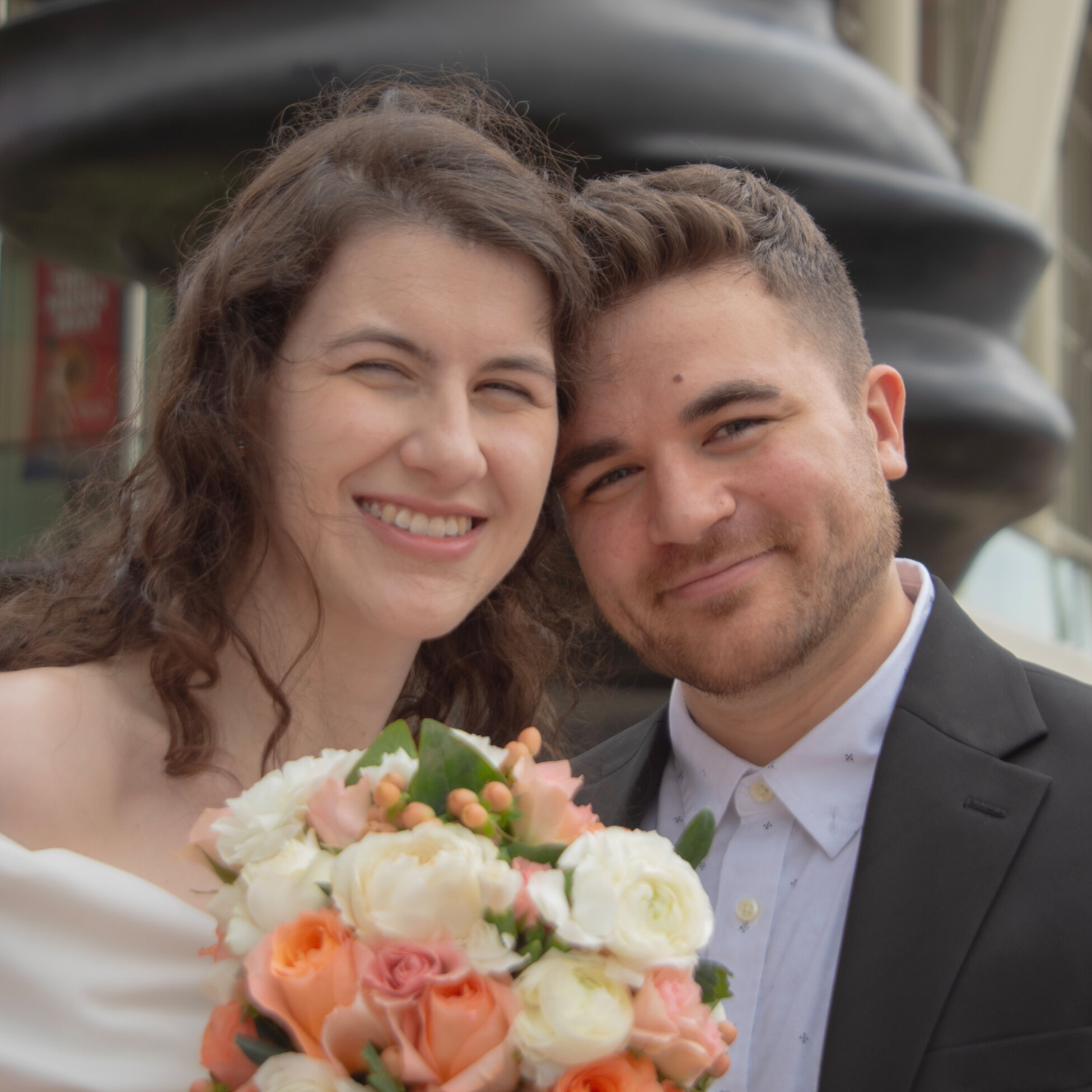
Matthew A.
Owner of Predi Designs
Matthew began as an online content creator in his teenage years, crafting Flash animations and games for internet audiences and collaborating with other young creatives worldwide. He later graduated cum laude from Texas A&M University’s Visualization Program, where he honed his skills in design, animation, and interactive media. He has owned and operated Predi Designs since 2016.
A Subscription Just Makes Sense.
Predi Designs delivers unlimited high-quality graphic design for a flat monthly rate, making top-tier branding and marketing more affordable, flexible, and efficient than traditional agencies. Plus, without salaries, benefits, or equipment costs, it’s more cost-effective than hiring in-house. No hourly fees, no scope limits. Just fast, reliable design on demand. Scale smarter, save more, and streamline creativity with Predi Designs.
blog tags
related posts
 Clients chose email, and the work moved faster when I listened. I once built a polished project system with boards, colors, and real time updates that solved my problems, not theirs. Ultimately, this is why Predi kept the project management organization in email, so clients can request work in the simplest way possible. If your team wants to communicate without yet another software and login, no worries! With Predi Designs, we solved the problem on our end so you don't have to.
 Rebrands always get attention, but not always for the right reasons. People notice when something familiar changes, especially when that brand has been part of their routine for years. There is a level of emotional attachment that builds over time, even with something as simple as a restaurant logo or packaging design. At the same time, staying the same forever is not an option either. An outdated brand identity makes a company feel behind, even if the product itself is still strong. The challenge is deciding what should evolve and what should stay recognizable. That balance is where most rebrands succeed or fall apart.
 Money talk in creative work is a time hog. Tracking hours logged, discussing scope of work and where my jurisdiction ends, adding watermarks to prevent theft, generating billing documents, creating quotes and invoices, all with the added bonus of possibly upsetting the customer. After years of watching good ideas stall because budgets felt like a moving target, I decided to work differently. This article is not a price sheet, it is a look at why Predi Designs built a subscription model that rewards trust and output instead of clock watching. If you have ever felt that hourly billing punishes efficiency or turns collaboration into a negotiation, you will understand exactly why we changed course.